Shani Levni: A Complete Guide to the Artist Redefining Modern Creativity, Identity, and Visual Storytelling
Shani Levni has become one of the most compelling emerging voices in contemporary art, known for blending history, identity, memory, and culture into deeply expressive visual works. While many artists explore emotion and narrative, Shani Levni brings a rare level of depth, layering, and intentionality that makes the art feel alive, present, and personal. In recent years, the name shani levni has begun appearing more frequently across exhibitions, social platforms, and conversations about modern creativity. This growing interest is driven by a clear shift in the art world: audiences today crave authenticity, vulnerability, and meaning, and Shani Levni delivers all of these with clarity and strength.
This article explores the journey, artistic philosophy, techniques, and cultural impact of shani levni. It also examines how this artist’s work fits into the evolution of global art trends, why audiences feel emotionally connected to the themes explored, and how the message behind the art is shaping conversations around identity, belonging, and collective memory. Whether you are discovering Shani Levni for the first time or already familiar with the name, this guide reveals the depth behind the art, offering interpretation, context, and a closer look at why this voice matters in today’s creative landscape.
Who Is Shani Levni and Why the Name Matters in Contemporary Art
Shani Levni is an artist whose work blends history, personal identity, and culture through expressive visual storytelling. What makes shani levni stand out among modern creators is the ability to look at the world not just as it appears, but as it feels. Each piece captures movement, memory, and emotion in a way that invites the viewer to experience rather than simply observe. This approach reflects a strong commitment to authenticity, which has become essential for modern audiences who seek connection through art.
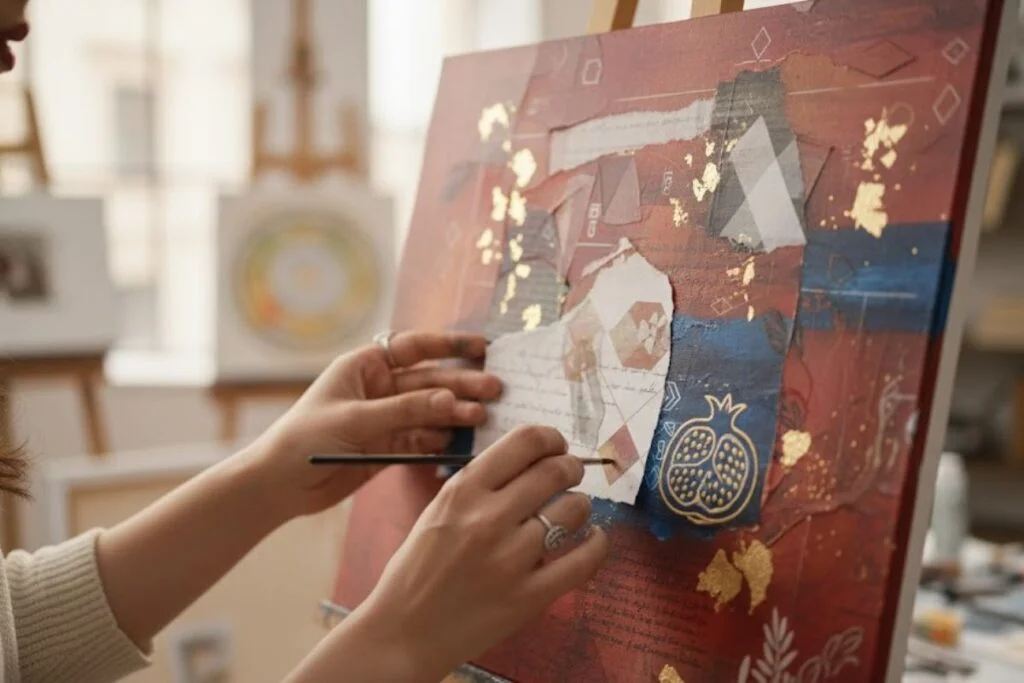
Many emerging artists focus on technique or theme, but Shani Levni focuses on the deeper structure that links them. Instead of placing identity as a topic within the artwork, Shani Levni uses identity as the foundation of the artistic experience. This means that every image, texture, and color selection carries intention. The art is not only something to look at, but something to understand and interpret.
The name shani levni has therefore developed significance as an artistic identity, one that represents layered meaning, cultural awareness, and personal truth. As more people discover this art, the movement around it continues to grow.
The Artistic Philosophy Behind the Work of Shani Levni
Understanding Shani Levni requires understanding the philosophy behind the work. Art is not created for decoration alone. For Shani Levni, art is a language, a message, and a form of documentation. It is a way of capturing the stories that shape people’s lives, especially the ones that are usually left out of the traditional narrative.
The philosophy behind shani levni centers on several core ideas. These include the belief that visual expression can carry emotional and historical weight, the idea that cultural identity is not fixed but dynamic, and the view that art can rebuild connections between memory and the present. Shani Levni often explores how personal experiences interact with larger cultural histories. This creates a bridge between the individual and the collective, offering viewers a chance to reflect on how their own stories connect with others.
Another meaningful part of the artistic philosophy is the idea that vulnerability can be a creative force. Shani Levni does not hide emotional experience but instead brings it forward as a point of strength. This makes the work feel more relatable, honest, and human.
How Shani Levni Uses Color, Texture, and Symbolism to Communicate Meaning
The distinctive visual language of Shani Levni comes from the careful use of color, texture, and symbolism. Each artistic choice communicates emotion, even when the viewer may not be familiar with the cultural or historical background behind the imagery.
Color is especially important in the work of shani levni. Instead of using color only for beauty, color becomes a tool. Soft tones are used to express reflection and memory, while deep or vivid tones communicate emotional intensity or cultural meaning. These color stories guide the viewer through the work, allowing them to feel the narrative even before they understand it intellectually.
Texture also plays a significant role. In many works, Shani Levni uses layered textures that create a sense of depth and movement. These layers represent the complexity of identity, the blending of past and present, and the way experiences build upon each other. The texture is never simply decorative; it becomes part of the storytelling.
Symbolism appears throughout the artwork as well. Some symbols are drawn from cultural traditions, while others reflect personal experiences. This blend allows the art to feel both specific and universal, giving each viewer space to interpret the meaning in a personal way.
Cultural Identity and Its Role in the Art of Shani Levni
Identity is a major theme in the work of shani levni. Instead of presenting identity as a fixed category, Shani Levni explores it as something fluid and evolving. This perspective reflects how many people today experience identity, especially in multicultural and global environments.
The artist often draws on cultural elements to reflect this complexity. These elements might appear as specific symbols, patterns, or references, or they may be integrated more subtly through mood and emotion. Shani Levni’s exploration of identity creates a sense of belonging and reflection for viewers who have also experienced cultural blending, relocation, or personal transformation.
This approach resonates especially strongly with younger generations, who often feel caught between multiple identities. Through this art, Shani Levni opens a space for reflection, acceptance, and understanding.
History and Memory as Creative Foundations
Another central theme in the work of shani levni is the role of history and memory. Instead of presenting history as something distant, Shani Levni treats it as something living, personal, and emotionally present. The art often blends historical references with contemporary expression, creating a connection between the past and the present.
Memory plays a similar role. Many works explore how memories shape personal identity and how they influence emotional experience. These memories are not only personal; they may reflect collective memory as well, such as cultural stories passed down through generations.
By combining history and memory, Shani Levni creates artwork that feels grounded, emotional, and meaningful.
How Shani Levni Is Influencing Modern Artistic Trends
The growing recognition of Shani Levni reflects a larger shift within modern art. Audiences today want depth, authenticity, and emotional truth. Shani Levni aligns with this movement by offering art that is both visually powerful and emotionally resonant.
Several modern trends connect closely with the work of shani levni. These include the rising importance of identity-based storytelling, the return of textured and layered techniques, and the focus on cultural blending within visual art. Shani Levni’s work also reflects the global trend of using art to express personal and social meaning rather than simply aesthetic beauty.
As a result, the artist is not only following modern trends but also helping shape them. Many younger creators look to Shani Levni as a model for how to express identity and emotion in a way that feels honest and bold.
The Emotional Impact of Shani Levni’s Work
One of the strongest reasons for the popularity of shani levni is the emotional impact the work has on viewers. People often describe the art as moving, grounding, or reflective. This emotional response happens because Shani Levni creates pieces that speak to universal experiences such as memory, struggle, growth, belonging, and self-discovery.
The use of color and texture amplifies this emotional impact. So does the use of symbolism and cultural reference. Even viewers who do not share the artist’s background often feel connected to the emotion behind the work. This sense of connection is what makes the art memorable.
Why the Name Shani Levni Is Becoming a Recognized Creative Identity
As the presence of Shani Levni grows, the name itself has begun to carry meaning within the world of contemporary art. The name represents emotional truth, cultural storytelling, and creative depth. It also represents a growing movement of artists who express identity and history through personal and meaningful visual language.
The name shani levni has become associated with artistic integrity, cultural awareness, and emotional connection. As more audiences discover this art, the creative identity behind the name continues to strengthen, shaping not only the artist’s future but also influencing how others understand the role of identity within art.
Shani Levni and the Future of Contemporary Art
Looking forward, it is clear that the work of Shani Levni will continue to influence conversations about identity, belonging, and artistic expression. As audiences shift toward deeper and more meaningful creative experiences, artists like shani levni become essential in guiding that movement.
The future of contemporary art will likely include an even stronger focus on personal storytelling, cultural awareness, and emotional honesty. Shani Levni is already contributing to that future by creating art that captures these values with clarity and strength.
Conclusion
Shani Levni represents a new direction for modern art, one that blends personal truth, cultural memory, and emotional storytelling into a single creative voice. In a world where people are searching for deeper meaning and stronger connection, the art of shani levni offers a place to reflect, understand, and reconnect with the experiences that shape us as individuals and as communities. Through expressive color, layered textures, and symbolic imagery, this artist transforms identity into a visual language that feels accessible, relatable, and deeply human.
As interest in contemporary identity-based art continues to grow, the influence of Shani Levni will likely expand even further. The themes explored in this work speak not only to specific cultural histories but also to universal human emotions. This balance gives the art its strength and makes it meaningful to people from many different backgrounds. In the years ahead, the name shani levni will continue to stand for authenticity, creativity, and emotional depth, shaping the future of modern art and inspiring new artists to tell their own stories with honesty and courage.
FAQs About Shani Levni
What is the main focus of Shani Levni’s art?
Shani Levni focuses on stories of identity, memory, and culture. The artist uses visual storytelling, texture, and color to explore how personal and collective history shape who we are.
Which art styles does Shani Levni work in?
Shani Levni works in mixed media, combining painting, collage, installation, and digital elements. The style blends expressive brushwork with layered materials to create emotional depth.
Why does Shani Levni use layers and texture in the artwork?
Layers and texture help show the complexity of memory and identity. They give the work a sense of depth and time so viewers can feel the history behind the images.
Is Shani Levni trained in art or self-taught?
Shani Levni has a background that mixes personal study and creative practice. Training includes formal study in cultural and creative fields as well as hands-on work in studios, workshops, and community projects.
Where can I see Shani Levni’s work in person?
Shani Levni’s work is shown in galleries, cultural centers, and public installations. Exhibitions are often announced through gallery listings, social media, and event platforms.
Does Shani Levni sell artwork or prints?
Yes, original pieces and limited prints are sometimes available for sale. The artist may also offer commissions and collaborations through galleries or direct contact.