Understanding Nativität: A Deep Dive into the Meaning, History, and Traditions
Nativität is a term that carries deep cultural and religious significance, particularly around the holiday season. This concept, often tied to the Christian faith, embodies the celebration of the birth of Jesus Christ, but it is also rich in historical context, cultural practices, and various traditions that have evolved over centuries.
This article will explore the essence of Nativität, its roots in history, its evolution in modern times, and how different cultures around the world celebrate it. Whether you’re seeking to deepen your understanding of this important celebration or looking for ways to engage with its rich traditions, this comprehensive guide provides insights that go beyond the surface.
What Is Nativität?
At its core, Nativität is a term derived from the Latin word “nativitas,” which means birth. In the Christian context, it refers to the Nativity of Jesus Christ, the event celebrated as his birth. While most people associate Nativität with Christmas and the nativity scenes seen in homes and churches, its significance extends beyond just a festive holiday. Nativität represents the moment when Christians believe God incarnated into the world in human form, signaling the beginning of the Christian faith’s story.
However, Nativität, in modern culture, has evolved beyond its religious origins to become a global tradition, celebrated not only for its religious meaning but also for its role in uniting families, communities, and even nations during the holiday season.
The Historical Origins of Nativität
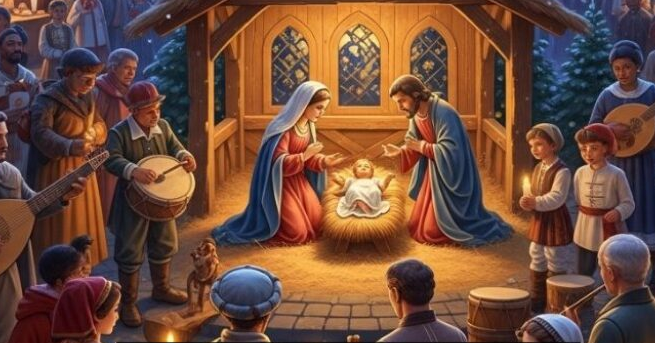
To understand Nativität fully, it’s important to delve into its history. The Nativity story, as told in the New Testament, dates back over 2,000 years. The gospels of Matthew and Luke recount the birth of Jesus in Bethlehem, under humble circumstances, with Mary and Joseph as his earthly parents. The story is central to the Christian faith and is one of the most pivotal events in the religious calendar.
Also Read: Lyposingrass: A Comprehensive Guide to Its Remarkable Properties and Uses
The first recorded celebration of Nativität as a formal holiday was likely in the 4th century, around the same time as the establishment of Christmas on December 25th. Before this, early Christians did not have a specific holiday to mark the birth of Christ. The date was chosen to coincide with Roman pagan festivals like the Winter Solstice, which were celebrations of light during the darkest part of the year.
Nativität and Its Connection to Christmas
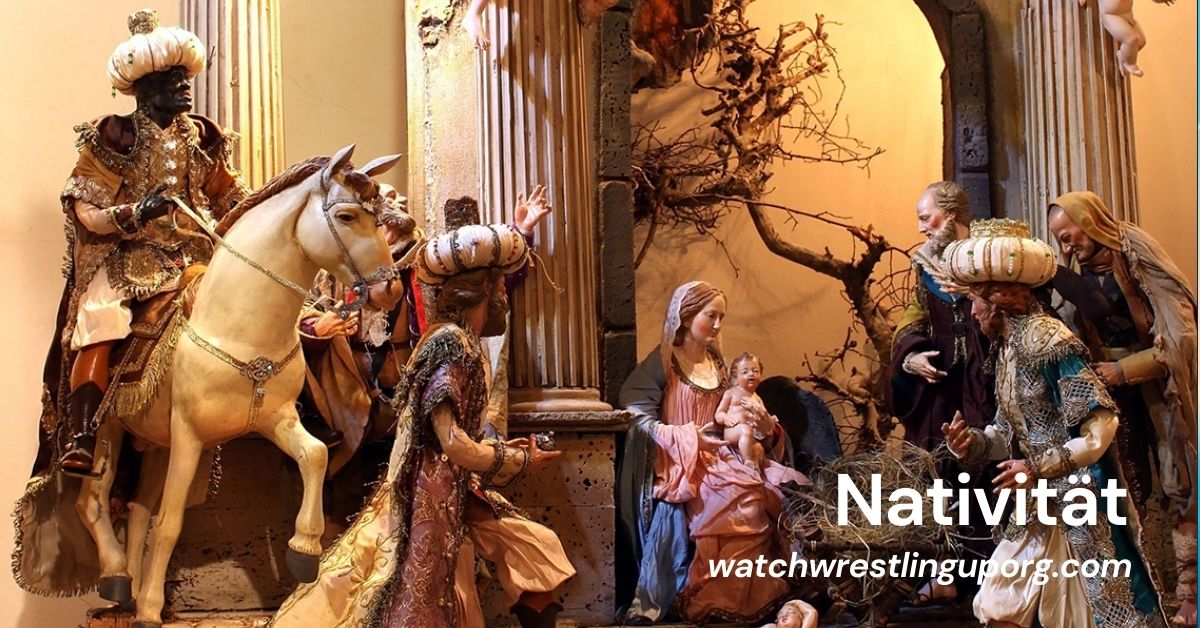
While Nativität is deeply rooted in the Christian narrative, it has become synonymous with Christmas in many cultures. The Nativity scene, or Krippe in German, is a visual representation of Jesus’ birth and typically includes figures of the Holy Family, angels, shepherds, and the Three Wise Men. The display of these scenes during Advent, leading up to Christmas Day, is a tradition in many countries.
In some cultures, the Nativity scene is an elaborate display, while in others, it is a simple yet meaningful decoration. The role of the Nativity scene in celebrating Nativität emphasizes the importance of the birth of Christ and serves as a reminder of the humble beginnings of the Christian savior. The traditions surrounding Nativität also highlight the themes of generosity, goodwill, and family, all of which are deeply associated with Christmas.
Nativität Traditions Around the World
Germany and Austria:
In many European countries, especially Germany and Austria, Nativität traditions are deeply ingrained. The Advent period is a time of anticipation and preparation, and many families set up elaborate Nativity scenes in their homes. In some regions, there are also live Nativity plays or “Krippenspiele,” where children and adults alike reenact the birth of Jesus.
Italy:
In Italy, Nativität is associated with the tradition of the “Presepe,” or Nativity crib. Italian towns and villages often set up large, intricate cribs, showcasing the nativity story in vibrant detail. The Presepe is particularly important in Naples, where the tradition has been practiced for centuries. The cribs often include figures of everyday people alongside the traditional nativity characters, symbolizing the universal nature of Jesus’ birth.
Also Read: RobTheCoins About: A Comprehensive Guide to Cryptocurrency Transactions and Management
Mexico:
In Mexico, the “Las Posadas” tradition is closely tied to Nativität. This is a reenactment of Mary and Joseph’s search for a place to stay in Bethlehem, symbolizing the couple’s journey and the warmth of welcoming strangers. This tradition involves processions, singing carols, and sharing food with neighbors, fostering a sense of community and hospitality during the holiday season.
United States:
In the U.S., Nativität is celebrated with a mix of religious and secular traditions. Nativity scenes are common, particularly in Christian households, and many families attend Christmas Eve services at church. Additionally, some communities host live Nativity scenes and Christmas pageants, where the birth of Jesus is dramatized for local audiences.
Nativität as a Cultural Tradition Beyond Religion
Although Nativität is primarily a religious observance, its cultural impact is far-reaching. In many parts of the world, the traditions surrounding Nativität have taken on a secular nature, with families coming together for festive meals, exchanging gifts, and enjoying the company of loved ones. The emphasis on peace, goodwill, and family resonates with people of all faiths, and Nativität serves as a reminder of the importance of kindness, compassion, and togetherness.
In countries like the United States, where religious diversity is prominent, Nativität has often been integrated into the broader Christmas celebration, encompassing both secular and religious elements. The practice of decorating homes with lights, trees, and Nativity scenes has become an enduring symbol of the holiday season, transcending its religious roots to embrace a sense of joy and togetherness for people of all backgrounds.
Nativität in Modern Times
In today’s world, the celebration of Nativität has adapted to changing cultural, social, and technological landscapes. The way people celebrate Nativität in the 21st century may vary greatly depending on region, personal beliefs, and societal trends. Digital media has also played a role in spreading the message of Nativität, with online services, live-streamed Christmas Eve Masses, and virtual Nativity scenes allowing people to connect with the celebration, even if they are far from family or their religious communities.
Moreover, the commercialization of Christmas has led to a greater emphasis on the gift-giving aspect of the holiday. While the original focus of Nativität was the spiritual celebration of Christ’s birth, modern society often emphasizes family gatherings, festive meals, and the exchange of presents as central to the season. However, many still retain the practice of attending church services, reflecting on the significance of Nativität as the true heart of Christmas.
The Significance of Nativität in Today’s World
In today’s fast-paced world, the significance of Nativität lies not only in the religious observance but also in the opportunity it provides for individuals and families to slow down, reflect, and connect with one another. The themes of peace, hope, and love that are central to the Nativity story continue to resonate with people of all walks of life, offering a sense of spiritual renewal and community bonding during the holiday season.
The modern celebration of Nativität also highlights the need for compassion and generosity in a world that often feels divided. As we reflect on the humble birth of Jesus, we are reminded of the importance of humility, service to others, and the ability to give selflessly.
FAQs About Nativität
What is the origin of the term “Nativität”?
The term “Nativität” comes from the Latin word nativitas, meaning birth. It refers to the birth of Jesus Christ, which is celebrated by Christians worldwide.
Why is Nativität celebrated on December 25th?
December 25th was chosen as the date to celebrate the birth of Jesus Christ because it coincides with the Roman festival of Sol Invictus, the “Unconquered Sun,” which marked the winter solstice.
What are the main traditions associated with Nativität?
Common traditions include setting up Nativity scenes, attending church services, singing carols, and gathering with family and friends to celebrate the season. In some cultures, reenactments of the Nativity story or processions are also popular.
Is Nativität only a religious celebration?
While Nativität is rooted in Christian tradition, it has become a cultural celebration in many parts of the world, transcending religious boundaries and focusing on themes of family, togetherness, and goodwill.
What is the significance of the Nativity scene?
The Nativity scene represents the humble birth of Jesus Christ and is a visual reminder of the Christian story. It serves as a symbol of peace, humility, and the beginnings of the Christian faith.
Conclusion
Nativität is more than just a holiday; it is a rich, multifaceted celebration that unites people around the world. Whether celebrated with religious fervor or as part of broader cultural traditions, Nativität holds deep meaning for millions, transcending religious, cultural, and geographical boundaries. It’s a time to reflect on the importance of family, community, and peace, and to honor the humble origins of one of the most significant events in human history.
As society continues to evolve, so too will the ways in which we celebrate Nativität, but its core message of love, hope, and compassion will always remain at the heart of this cherished tradition.