Masgonzola: Meaning, Flavor, Uses and Culinary Concept
Masgonzola is a word that is getting attention in food and cooking discussions. It sounds like an Italian cheese and reminds people of rich, creamy, and strong flavors. Even though masgonzola is not officially listed as a real cheese, many food lovers are curious about it. This makes masgonzola an interesting topic for chefs, bloggers, and readers who enjoy gourmet food ideas.
Masgonzola represents creativity in modern cuisine. It combines the idea of traditional blue cheese with new and imaginative food concepts. Because it is not limited by rules, masgonzola allows freedom in taste, texture, and use.
What Is Masgonzola?
Masgonzola is best explained as a concept, not a registered cheese. It is inspired by famous Italian blue cheeses, especially gorgonzola. The name suggests something creamy, bold, and full of flavor. People use the word masgonzola to describe a cheese style that feels rich and artisanal.
Since masgonzola has no fixed definition, it can be shaped by creativity. It may describe a strong blue cheese taste or a smooth and mild version, depending on how it is used.
Meaning and Name Origin of Masgonzola
The word masgonzola sounds Italian. The ending “zola” reminds people of gorgonzola, which is a well-known Italian cheese. Because of this, the name feels authentic and premium.
Masgonzola likely started as an online or creative term. It may have appeared through food writing, branding ideas, or search trends. Its sound makes people think of quality cheese, which helps it gain interest.
Is Masgonzola a Real Cheese or a Concept?
Masgonzola is not officially recognized as a cheese product. It does not have legal rules or protected status. Instead, it exists as a creative idea in food culture.
This is not a weakness. In fact, it makes masgonzola flexible. Chefs and writers can explain it in their own way without restrictions.
Masgonzola vs Traditional Blue Cheeses
Traditional blue cheeses like gorgonzola or roquefort follow strict production methods. Masgonzola does not follow fixed rules.
Masgonzola allows more freedom in flavor strength, aging time, and texture. It can be mild or strong, soft or slightly firm, depending on interpretation.
Flavor Profile of Masgonzola
Masgonzola is imagined as rich and creamy with a balanced sharp taste. It should feel smooth but bold. The flavor is strong but not overpowering.
It leaves a pleasant savory taste that stays on the tongue. This makes it attractive to people who enjoy gourmet cheese.
Texture and Appearance
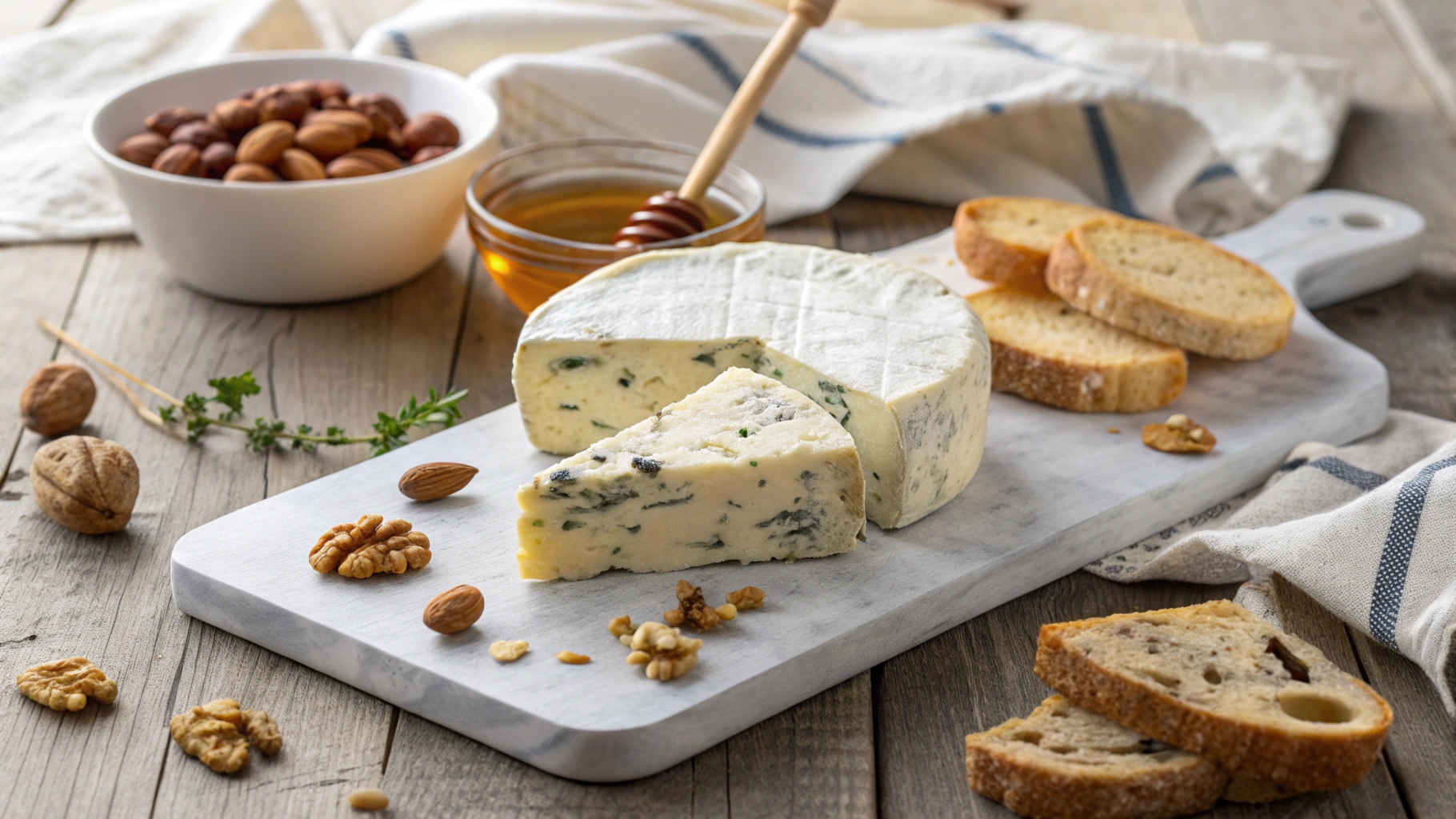
The texture of masgonzola can vary. It may be soft and spreadable or slightly crumbly. It may have blue or green veins like traditional blue cheese.
This flexibility makes masgonzola suitable for many dishes.
Culinary Uses of Masgonzola
Masgonzola can be used in many types of food. It works well in pasta sauces, risotto, pizza, and salads. It can also be used on cheese boards.
Because it melts well, it adds depth and richness to hot dishes. It also tastes great when served fresh with bread.
Popular Dishes Using Masgonzola Concept
Masgonzola-inspired dishes include creamy pasta, gourmet pizza, cheese dips, and baked dishes. It pairs well with nuts, honey, fruits, and herbs.
Many chefs use masgonzola as a flavor idea rather than a fixed ingredient.
Masgonzola in Modern Gourmet Cuisine
Modern cuisine focuses on creativity and presentation. Masgonzola fits well in this trend. It represents luxury, imagination, and bold flavor.
Restaurants and food bloggers can use masgonzola as a unique idea to attract food lovers.
Nutritional Value and Health Considerations
Masgonzola follows the general nutrition of blue cheese. It contains protein, calcium, and fats. It gives energy and helps with fullness.
Like all cheese, it should be eaten in moderation. Small portions are enough to enjoy its flavor.
Artisanal and Homemade Masgonzola Ideas
Masgonzola matches well with artisanal food culture. It suggests small batches, careful aging, and quality ingredients.
Home cheese makers can experiment with blue cheese methods to create a masgonzola-style cheese.
Storage and Serving Suggestions
Masgonzola should be stored in the fridge using cheese paper or light wrapping. Before serving, let it sit at room temperature for better flavor.
It pairs well with bread, crackers, fruits, nuts, and wine.
Why Masgonzola Is Trending Online
People are searching for new and unique food terms. Masgonzola sounds premium and interesting, which makes it popular in searches.
It is also useful for branding and food content creation.
Masgonzola for Food Bloggers and Content Creators
Masgonzola is a great keyword for SEO content. It allows long explanations, creative storytelling, and expert guidance.
Writers can build authority by explaining this concept clearly.
Common Misconceptions About Masgonzola
Many people think masgonzola is a real cheese brand. This is not true. It is a creative concept inspired by traditional cheese.
Clear explanation helps avoid confusion.
Future Potential of Masgonzola
Masgonzola has strong potential. With time, it could become a recognized gourmet term or even a real product.
Its flexibility makes it suitable for future food trends.
Frequently Asked Questions About Masgonzola
Is masgonzola a real cheese?
No, masgonzola is a creative food concept, not an official cheese.
Does masgonzola taste like blue cheese?
Yes, it is inspired by blue cheese flavors but can vary in strength.
Can masgonzola be used in cooking?
Yes, it works well in pasta, pizza, sauces, and cheese boards.
Final Thoughts on Masgonzola
Masgonzola is a creative and exciting food concept. It combines tradition with imagination. While it is not officially defined, it offers endless possibilities for chefs, writers, and food lovers.
By understanding and explaining masgonzola clearly, you can provide valuable content that educates and inspires readers.