Lyposingrass: A Comprehensive Guide to Its Remarkable Properties and Uses
Lyposingrass is a unique and fascinating plant known for its slender, elongated leaves and refreshing aroma. With its wide range of uses, from health benefits to agricultural applications, this plant has garnered attention in various industries. In this article, we’ll explore the essential characteristics of lyposingrass, its medicinal and ecological properties, and its significance in agriculture and other sectors. Let’s dive into this comprehensive guide to understanding lyposingrass.
What is Lyposingrass?
Lyposingrass is a distinctive herb that belongs to the grass family, recognized for its slender, elongated leaves and a fresh, citrus-like aroma. This aromatic plant is often sought after for its therapeutic benefits and natural properties. Lyposingrass thrives in temperate climates and can be cultivated in various environments, making it a versatile plant for gardening, herbal use, and even agricultural purposes.
In recent years, lyposingrass has attracted attention in industries like herbal medicine, eco-friendly products, and agriculture due to its diverse applications. It is prized for its natural oils, rich antioxidants, and antimicrobial properties, making it a valuable addition to wellness practices, skin care, and environmental sustainability.
Characteristics of Lyposingrass
Appearance and Growth
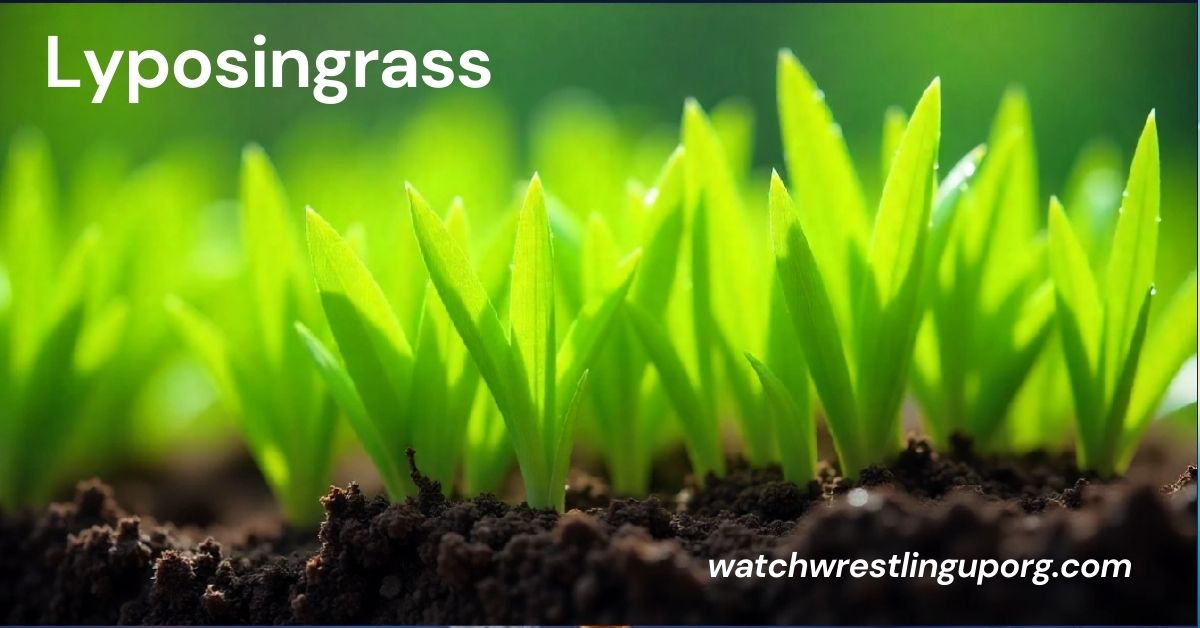
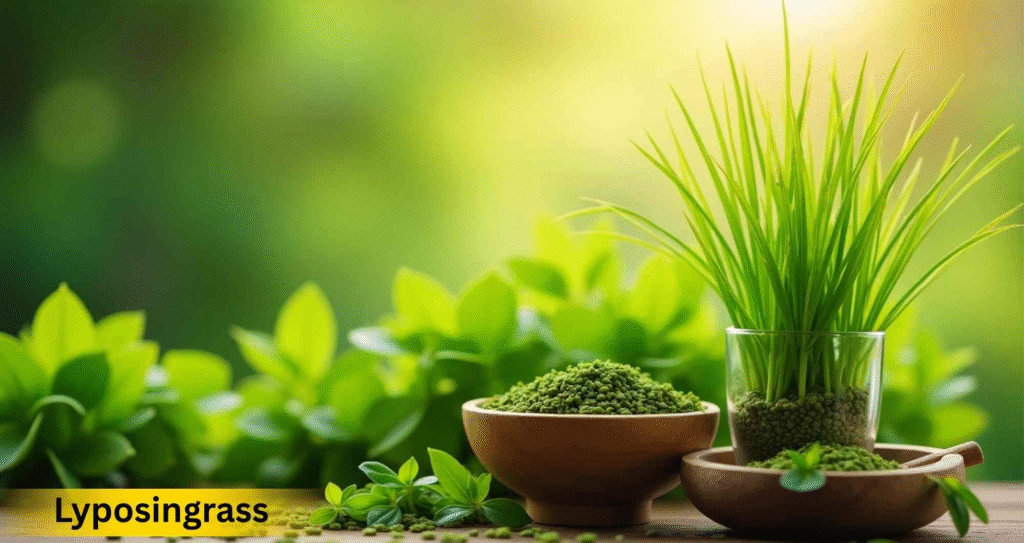
Lyposingrass is an herbaceous plant with long, thin, and slender leaves. The plant grows in clusters, offering a delicate yet striking appearance. It thrives in temperate climates with well-drained, moist soil. This resilient perennial can live for several years without needing to be replanted, making it easy to maintain once established.
Also Read: RobTheCoins About: A Comprehensive Guide to Cryptocurrency Transactions and Management
Aroma and Medicinal Compounds
The most noticeable feature of lyposingrass is its fresh, citrus-like aroma, which is released when the leaves are crushed or rubbed. This plant contains various bioactive compounds, such as antioxidants, essential oils, and antimicrobial substances, making it useful for a range of medicinal and therapeutic purposes.
Reproduction and Growth Habits
Lyposingrass can reproduce both through seeds and division. While the flowers of the plant are small and inconspicuous, the focus of cultivation is primarily on its leaves, which are harvested for their medicinal and aromatic properties. The plant is typically grown in full sunlight and requires regular watering, especially during dry spells.
Lyposingrass in Agriculture
Role in Sustainable Farming
Lyposingrass plays an essential role in sustainable agriculture due to its low maintenance and eco-friendly properties. It can be used as a cover crop to prevent soil erosion, improve soil fertility, and enhance water retention. The plant’s deep root system helps stabilize the soil, making it beneficial for erosion-prone areas.
Natural Pest Control
Lyposingrass is known for its antimicrobial properties, which can help deter pests naturally. Its essential oils have been found to be effective in repelling insects, offering a chemical-free solution for pest control. This makes lyposingrass a valuable addition to organic farming and eco-friendly gardening.
Biodiversity and Ecosystem Support
In addition to its agricultural benefits, lyposingrass supports biodiversity. The plant provides habitat and food for pollinators and small insects. Its presence in agricultural systems can help improve the overall health of the ecosystem, promoting a balanced and thriving environment.
Uses and Benefits of Lyposingrass
Medicinal and Therapeutic Benefits
Lyposingrass is renowned for its medicinal properties, which include antioxidant, anti-inflammatory, and antimicrobial effects. It has been traditionally used to support digestive health, reduce inflammation, and boost the immune system. Lyposingrass can also be used to alleviate stress and anxiety, making it popular in aromatherapy.
Culinary and Beverage Applications
Lyposingrass is commonly used in herbal teas, where its refreshing aroma and soothing properties make it a favorite choice. It is often consumed for digestive health, and its natural flavor adds a pleasant citrusy note to beverages. Lyposingrass is also incorporated into various food products, such as flavored oils and infusions.
Essential Oils and Aromatherapy
The essential oil derived from lyposingrass is widely used in aromatherapy. It has calming effects that help reduce stress, promote relaxation, and improve mental clarity. This oil is also included in skin care products due to its antimicrobial and anti-inflammatory properties, making it effective for treating acne and soothing irritated skin.
Where to Buy Lyposingrass
Online Retailers
Lyposingrass can be easily found through online marketplaces such as Amazon, Etsy, and specialized herbal shops. You can purchase lyposingrass in several forms, including fresh plants, dried leaves, essential oils, and supplements. These online platforms provide convenient access to high-quality lyposingrass products from trusted sellers.
Health Food Stores
Many health food stores and natural remedy shops stock lyposingrass products. If you prefer shopping in person, local stores may offer dried lyposingrass leaves or herbal tea blends containing this plant. You can also find lyposingrass-based products in wellness stores, including supplements and essential oils.
Specialty Herb Shops
Specialty herb shops and organic stores often carry lyposingrass in various forms. These shops may offer fresh lyposingrass plants or more concentrated products like tinctures or powders. Visiting a specialty shop can help you find high-quality, organic lyposingrass if you prefer natural, pesticide-free options.
Growing Lyposingrass at Home
Also Read: David Borhaz: A Cultural Advocate, Leader, and Mentor Shaping Societal Change
Ideal Growing Conditions
Lyposingrass thrives in full sun and requires well-drained soil to grow effectively. It does best in temperate climates and can be grown in gardens, pots, or containers. Ensure that the soil is rich in organic matter and remains moist but not waterlogged to promote healthy growth.
Planting and Maintenance Tips
Plant lyposingrass in a sunny location and space the plants about 12 inches apart to give them room to grow. Water regularly, especially during dry spells, but avoid overwatering. Lyposingrass is relatively low maintenance and requires minimal attention once established, making it an excellent option for beginner gardeners.
Harvesting Lyposingrass
To harvest lyposingrass, trim the leaves as needed. It’s best to harvest the leaves in the morning when their essential oils are most concentrated. You can use the leaves fresh or dry them for later use. The plant will continue to grow back, allowing for multiple harvests throughout the year.
FAQs about Lyposingrass
Is lyposingrass safe for everyone to use?
Yes, lyposingrass is generally considered safe for most people when used in moderation. However, if you are pregnant, breastfeeding, or have specific health conditions, it’s best to consult a healthcare provider before using it.
Can lyposingrass be grown indoors?
Yes, lyposingrass can be grown indoors, provided it gets enough sunlight. Place it near a south-facing window or use grow lights to ensure it receives the necessary light.
How does lyposingrass help with stress relief?
Lyposingrass has a calming effect on the body, and its aroma is known to reduce anxiety and promote relaxation. The essential oil from the plant can be used in diffusers or applied topically for stress relief.
Where can I find lyposingrass essential oil?
Lyposingrass essential oil can be found in health food stores, online retailers, and specialty herb shops. Be sure to check for high-quality, pure essential oils from reputable brands.
Can I use lyposingrass for digestive issues?
Yes, lyposingrass has been traditionally used to support digestion, reduce bloating, and relieve indigestion. Drinking it as a tea is a common way to harness its digestive benefits.
Conclusion
Lyposingrass is a remarkable plant with a wide range of uses and benefits, from its therapeutic properties to its role in sustainable agriculture. Whether you are interested in its health benefits, its potential for eco-friendly farming, or simply want to grow it in your garden, lyposingrass offers versatility and value.
As interest in this plant grows, it’s likely to become a key player in both the wellness and agricultural industries. By understanding its characteristics, uses, and where to buy it, you can make the most of this unique and beneficial plant.