Cevurı: The Ancient Anatolian Dish That Still Feeds Families Today
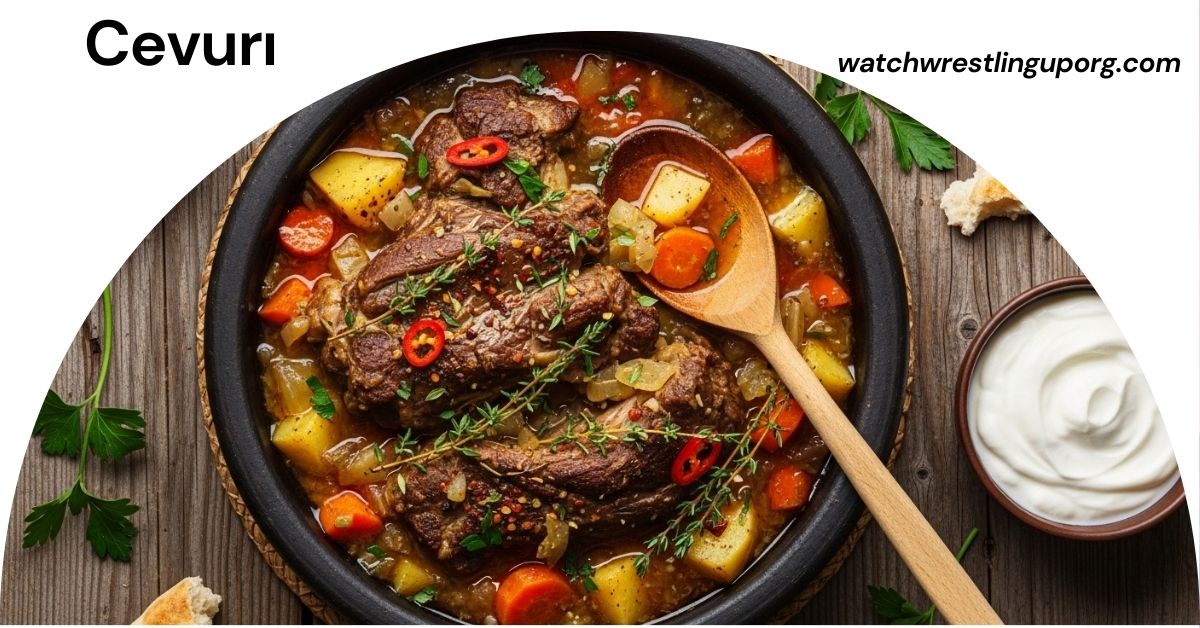
If you travel through the heart of Anatolia, you will notice something special in village kitchens. You will smell slow-cooked meat, toasted grains, and soft vegetables coming together in a deep, rich pot. This is cevurı, a traditional Turkish dish that has quietly fed families for centuries.
Cevurı is not just food. It is a story of survival, patience, and community. It was born in a land where people had to cook smart with what they had. They used grains for energy, vegetables for nutrition, and small amounts of meat for flavor and strength. Over time, this simple idea became a beloved dish that still appears on family tables today.
This guide explains everything you need to know about cevurı: its history, ingredients, cooking method, cultural meaning, health value, and how you can make it at home in the United States with easy-to-find ingredients.
What Is Cevurı?
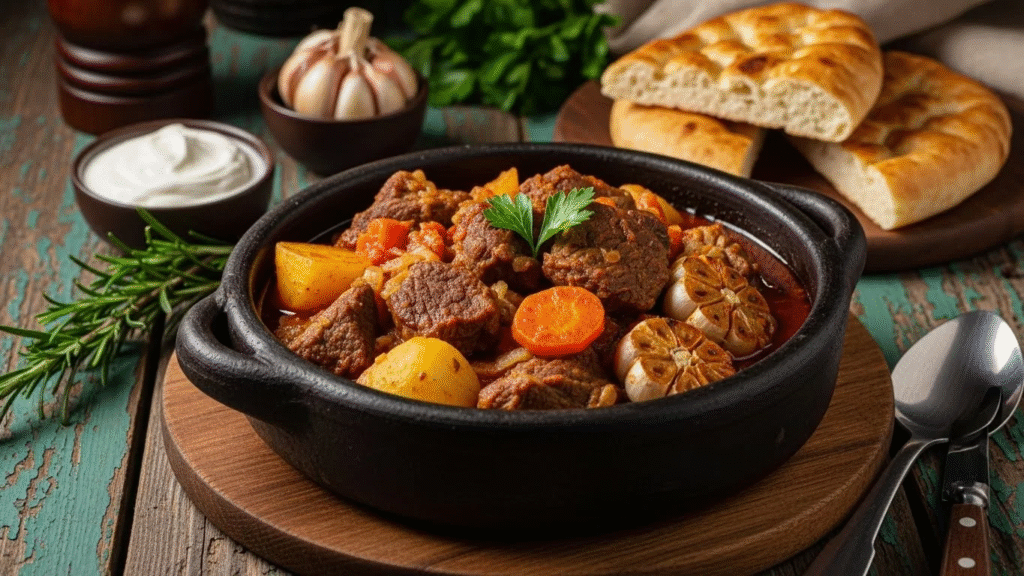
Cevurı is a slow-cooked Anatolian stew made with tender lamb or beef, whole grains such as wheat or barley, and seasonal vegetables. Everything cooks together for hours until the grains soften, the meat becomes very tender, and the flavors blend into a thick, comforting meal.
It is often cooked in a clay pot over low heat. In villages, people used wood fires and large cauldrons. The slow cooking is important because it allows the grains to absorb the meat juices and vegetable flavors.
Unlike many modern stews, cevurı is thick, hearty, and filling. It is meant to be a complete meal in one bowl.
The Origins of Cevurı in Anatolia
Cevurı comes from Anatolia, the central region of modern-day Turkey. This area has cold winters, hot summers, and a farming lifestyle that goes back thousands of years.
Families grew wheat and barley, raised sheep and cattle, and stored root vegetables for winter. They needed meals that were:
- Filling and high in energy
- Easy to cook in large amounts
- Good for sharing
- Able to feed many people with limited meat
Cevurı answered all of these needs.
Shepherds cooked it outdoors. Farmers cooked it after long days in the field. Large families cooked it for gatherings. It became a symbol of warmth, care, and hospitality.
Core Ingredients of Traditional Cevurı
Even though recipes vary from village to village, most versions of cevurı share the same base ingredients.
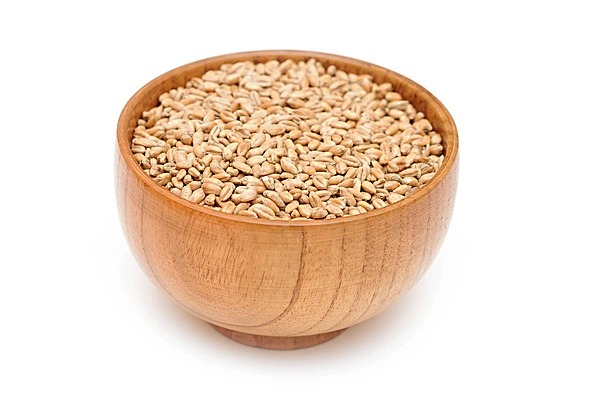
Grains
- Whole wheat berries or cracked wheat (bulgur)
- Barley
These grains give cevurı its thick texture and keep you full for hours.
Also Read: Slylar Box: The Modern Modular Storage Solution for Stylish Home and Office Organization
Meat
- Lamb shoulder is the most traditional
- Beef chuck is also common
The meat is cut into chunks and cooked slowly until it falls apart.
Vegetables
- Onions
- Carrots
- Potatoes
- Sometimes tomatoes or peppers
These vegetables melt into the stew and build flavor.
Herbs and Seasonings
- Garlic
- Bay leaves
- Parsley
- Thyme
- Salt and black pepper
The seasoning is simple. Cevurı depends on natural flavor, not heavy spices.
Why Slow Cooking Is Essential for Cevurı
Cevurı cannot be rushed. The dish needs low heat and time.
As it cooks:
- The grains absorb the broth and become soft
- The meat releases juices into the grains
- The vegetables break down and thicken the stew
- The flavors mix into one deep taste
This process can take 2 to 4 hours. In old villages, it sometimes cooked all afternoon.
How Cevurı Differs from Other Stews
Many cultures have meat and grain stews, but cevurı is unique because:
- The grain is as important as the meat
- The texture is thick, not soupy
- The flavor is mild, warm, and comforting
- It is meant to be shared from one large pot
Cevurı is closer to a grain-based meal than a meat stew.
Traditional Cooking Method in a Clay Pot
The most authentic way to make cevurı is in a clay pot.
- Meat is browned first.
- Onions and garlic are added.
- Grains and vegetables go in next.
- Water or broth is poured over.
- The pot is sealed and left to cook slowly.
Clay pots hold heat evenly and prevent burning.
How to Cook Cevurı at Home in the US
You do not need a clay pot. A Dutch oven or heavy pot works well.
Ingredients
- 2 lbs lamb shoulder or beef chuck
- 1 cup wheat berries or barley
- 1 onion, chopped
- 3 carrots, chopped
- 2 potatoes, cubed
- 3 cloves garlic
- 2 bay leaves
- 1 tsp thyme
- Salt and pepper
- 6 cups water or broth
- Parsley for garnish
Steps
- Brown the meat in the pot.
- Add onion and garlic, cook until soft.
- Add grains, vegetables, herbs, and liquid.
- Bring to a boil, then reduce to very low heat.
- Cover and cook 2.5 to 3 hours.
- Stir occasionally and add water if needed.
- Serve thick and hot.
Nutritional Benefits of Cevurı
Cevurı is naturally balanced.
- Protein from meat
- Fiber from grains
- Vitamins from vegetables
- Long-lasting energy from whole grains
Also Read: Laaster: The Ultimate Digital Content Creation Platform for Modern Creators
This is why it was perfect for farmers and shepherds.
Cevurı as a Cultural Symbol
In Anatolia, serving cevurı means care and generosity. It is often made for:
- Winter nights
- Family gatherings
- Guests visiting from far away
Sharing one pot brings people together.
Regional Variations Across Anatolia
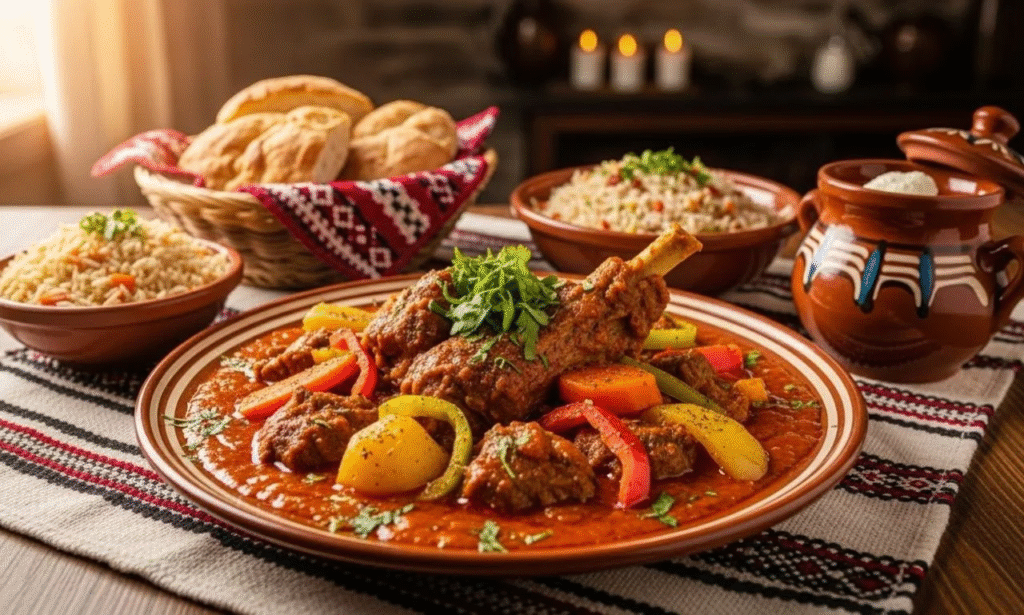
Some regions add:
- Chickpeas
- Tomato paste
- Peppers
- Different herbs
But the heart of cevurı remains the same.
Best Side Dishes to Serve with Cevurı
- Yogurt
- Fresh bread
- Pickled vegetables
- Simple salad
These sides balance the rich texture.
Modern Interest in Ancient Foods
Today, many people in the US are looking for traditional, whole-food meals. Cevurı fits this trend perfectly because it uses:
- Whole grains
- Slow cooking
- Natural ingredients
- Minimal processing
Tips for Perfect Cevurı Every Time
- Do not rush the cooking
- Use enough liquid for grains to soften
- Let it rest before serving
- Use quality meat
Common Mistakes to Avoid
- Cooking on high heat
- Using quick-cooking grains
- Adding too many spices
- Not cooking long enough
Also Read: Cellulogia: The Complete Guide to Understanding and Managing Cellulite
How to Store and Reheat Cevurı
Cevurı tastes even better the next day.
- Store in fridge up to 4 days
- Reheat slowly with a little water
Why Cevurı Is Ideal for Meal Prep
One pot makes many servings. It reheats well and stays filling.
Final Thoughts
Cevurı is proof that the best meals do not need to be complicated. This humble Anatolian dish shows how simple ingredients, cooked with patience, can create deep flavor, strong nutrition, and a powerful sense of comfort.
In a world filled with fast food and rushed cooking, cevurı invites you to slow down. It asks you to let time do the work. It reminds you that food can be warm, filling, affordable, and meaningful at the same time.
For a US home cook, cevurı is easy to make with everyday ingredients. For anyone who cares about whole foods, traditional cooking, and meals that truly satisfy, cevurı is worth trying at least once.
When you make cevurı, you are not just preparing a stew. You are bringing an old Anatolian tradition into your kitchen and sharing a meal that has connected families for generations.
Frequently Asked Questions About Cevurı
What does cevurı taste like?
Mild, rich, warm, and comforting. The grains carry the meat flavor.
Can I make cevurı vegetarian?
Yes. Use mushrooms, chickpeas, and vegetable broth.
What grains work best?
Wheat berries, bulgur, or barley.
Is cevurı spicy?
No. It uses very gentle seasoning.
Can I cook cevurı in a slow cooker?
Yes. Cook on low for 6 to 8 hours.
Why is cevurı so filling?
The mix of protein, fiber, and grains keeps you full for a long time.