Autoamina is a modern concept that is changing the way scientists analyze amino acids in laboratories. Amino acids are the basic building blocks of proteins, and they play a major role in biology, medicine, food science, and biotechnology. Accurate amino acid analysis helps researchers understand nutrition, disease, protein structure, and many other important topics.
In the past, amino acid analysis was often slow, complex, and required highly skilled technicians. Laboratories had to follow many manual steps, and results sometimes took hours or even days to complete. With the rise of automation, new systems are being developed to make the process faster, more reliable, and easier to manage.
Autoamina represents this new generation of automated amino acid analysis. It combines automation, smart laboratory technology, and data-driven insights to improve accuracy and efficiency. Scientists can now run complex tests with minimal manual work while receiving highly detailed and reliable results.
The idea behind autoamina is simple: use advanced automation and digital tools to transform traditional amino acid analysis into a faster, smarter, and more scalable process. This innovation is helping laboratories around the world improve productivity, reduce errors, and unlock deeper scientific insights.
As research continues to grow in fields like biotechnology, nutrition science, and pharmaceuticals, systems like autoamina are becoming essential tools in modern laboratories.
Understanding Amino Acid Analysis
To understand why autoamina is important, it helps to first understand amino acid analysis itself.
Amino acids are organic compounds that form proteins. There are twenty main amino acids that are used by living organisms to build proteins. These proteins control many biological processes such as muscle growth, enzyme activity, hormone production, and immune function.
Scientists often need to measure the types and amounts of amino acids present in a sample. This process is called amino acid analysis.
Typical samples include:
Food products
Blood or tissue samples
Pharmaceutical ingredients
Protein supplements
Biological research materials
Traditional amino acid analysis usually involves several steps. First, proteins are broken down into individual amino acids through a process called hydrolysis. Then, the amino acids are separated using chromatography techniques. Finally, specialized detectors measure each amino acid.
Although this process works well, it can be time-consuming and requires careful handling. Even small mistakes can affect the results.
Autoamina improves this process by automating many of these steps, allowing laboratories to work faster while maintaining high accuracy.
The Concept Behind Autoamina Technology
Autoamina is built on the principle of automation combined with advanced analytical tools.
Instead of relying heavily on manual work, autoamina systems use automated workflows to prepare samples, run analysis, and interpret results. This reduces human error and increases consistency.
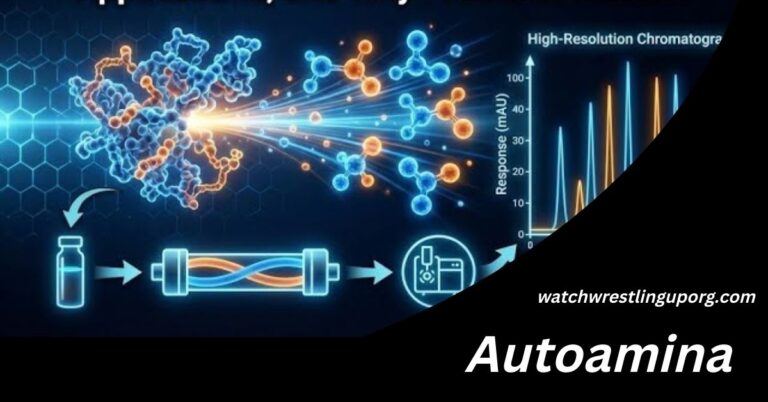
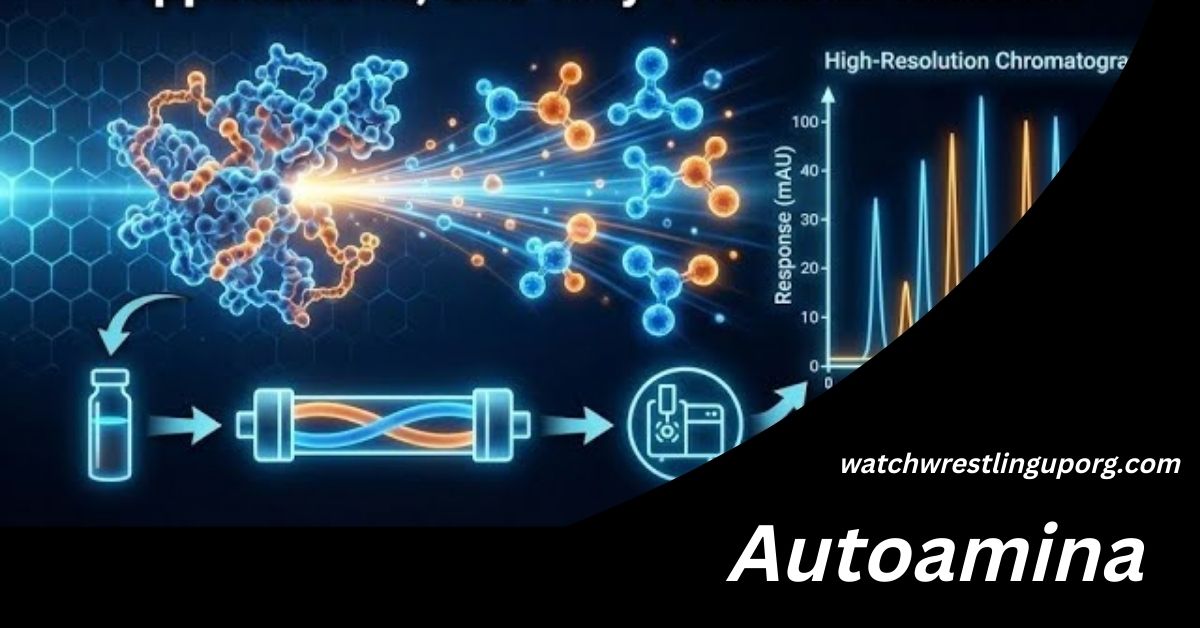
A typical autoamina workflow may include:
Automated sample preparation
Precise injection into analytical instruments
Automated chromatographic separation
Digital detection and measurement
Smart data analysis and reporting
By integrating these processes into one system, autoamina helps laboratories streamline their operations.
One of the most powerful aspects of autoamina is its ability to collect and analyze large amounts of data quickly. Modern laboratories often run hundreds or thousands of samples, and automated systems make this possible without sacrificing quality.
Also Read: ntdtvjp: The Japanese Platform for News, Culture, and Global Updates
Autoamina also supports digital record keeping, which helps scientists track experiments, compare results, and maintain regulatory compliance.
How Autoamina Is Transforming Laboratory Work
Autoamina is not just about faster testing. It is also changing the way laboratories operate.
In traditional settings, technicians must carefully manage each step of the analysis process. This requires constant monitoring and detailed documentation.
With autoamina systems, many of these tasks become automated. Scientists can program the system to run multiple samples and automatically generate reports.
This transformation brings several advantages.
First, laboratories can process more samples in less time. This improves productivity and reduces waiting times for results.
Second, automation improves consistency. When machines perform repetitive tasks, the results are more standardized and less affected by human variability.
Third, autoamina systems provide detailed digital records. This makes it easier for researchers to review experiments and maintain accurate documentation.
Finally, automated analysis helps laboratories reduce costs over time by improving efficiency and reducing manual labor.
Key Technologies Behind Autoamina
The power of autoamina comes from several advanced technologies working together.
Chromatography systems play a central role. High performance liquid chromatography and similar techniques are used to separate amino acids with high precision.
Sensitive detectors measure each amino acid as it passes through the system. These detectors can identify even very small amounts of compounds.
Automation software controls the entire workflow. It manages sample preparation, instrument operation, and data collection.
Artificial intelligence and data analysis tools may also be used in advanced autoamina platforms. These tools help interpret complex results and identify patterns that might not be obvious to human researchers.
Another important technology is laboratory information management systems. These systems store and organize the data generated during analysis.
By combining all of these technologies, autoamina creates a powerful and efficient analytical environment.
Applications of Autoamina in Scientific Research
Autoamina has many important applications across different scientific fields.
In biomedical research, scientists use amino acid analysis to study metabolism, genetic diseases, and protein function. Autoamina systems help researchers obtain precise measurements that support medical discoveries.
In pharmaceutical development, amino acid analysis is used to ensure the quality and stability of drug products. Automated systems help pharmaceutical companies maintain strict quality standards.
Food scientists also rely on amino acid analysis. Nutritional labels often include information about protein and amino acid content. Autoamina systems help laboratories test food products quickly and accurately.
Biotechnology companies use amino acid analysis when producing proteins, enzymes, and vaccines. Automation improves efficiency in large-scale production environments.
Environmental researchers sometimes analyze amino acids in soil and water samples to study microbial activity and ecological processes.
Because of these diverse applications, autoamina technology is becoming increasingly valuable in many scientific fields.
Autoamina and Data-Driven Science
Modern science depends heavily on data. The ability to collect, analyze, and interpret large datasets is critical for research progress.
Autoamina systems contribute to this data-driven approach by generating highly detailed analytical results. Each sample produces a set of data that can be stored, analyzed, and compared with other experiments.
Researchers can use this information to identify trends, understand biochemical pathways, and develop new scientific theories.
Data analysis tools integrated with autoamina platforms may also help detect anomalies or unexpected results. This can lead to new discoveries or improvements in experimental design.
By combining automation with advanced data analysis, autoamina supports the growing field of digital laboratory science.
Benefits of Using Autoamina Systems
There are several key advantages that make autoamina technology attractive for modern laboratories.
Accuracy is one of the most important benefits. Automated systems reduce the chance of human error and produce consistent results.
Speed is another major advantage. Laboratories can process many samples in a shorter amount of time compared with manual methods.
Efficiency improves because researchers spend less time performing repetitive tasks and more time interpreting results and designing experiments.
Scalability is also important. As research projects grow, autoamina systems can handle larger workloads without significant changes to the workflow.
Data management becomes easier because digital systems automatically record results and organize information.
These benefits make autoamina an important tool for laboratories that need reliable and efficient amino acid analysis.
ALso Read: Diag Image: The Diagnostic Imaging Technology, Uses, and Future Innovations
Challenges and Limitations of Autoamina
Despite its advantages, autoamina technology is not without challenges.
One challenge is the initial cost of advanced analytical instruments. Automated systems often require specialized equipment and software.
Training is another consideration. Laboratory staff must learn how to operate and maintain automated systems properly.
Complex samples may also require customized preparation methods. Although automation can handle many tasks, some experiments still require human expertise.
Maintenance and calibration of instruments are also important. Automated systems must be regularly checked to ensure accurate results.
However, many laboratories find that the long-term benefits of autoamina outweigh these challenges.
The Future of Autoamina Technology
The future of autoamina looks promising as scientific research continues to evolve.
One area of development is artificial intelligence. AI-powered systems may help interpret complex biochemical data and provide predictive insights.
Cloud-based laboratory systems may also become more common. These platforms allow researchers to store data securely and access results from anywhere.
Miniaturized instruments could make amino acid analysis more accessible to smaller laboratories and research centers.
Another exciting possibility is the integration of autoamina technology with other automated laboratory platforms. This could create fully automated research environments where multiple types of analysis are performed seamlessly.
As technology continues to advance, autoamina is expected to play an even larger role in scientific discovery and innovation.
Why Autoamina Matters for Modern Science
Autoamina represents a major step forward in analytical science.
By combining automation, advanced instrumentation, and digital data analysis, it allows laboratories to perform amino acid analysis faster and more accurately than ever before.
This improvement supports progress in many fields, including medicine, nutrition, biotechnology, and environmental science.
Researchers can focus more on understanding biological systems and less on repetitive laboratory tasks.
As the demand for high-quality scientific data continues to grow, technologies like autoamina will become increasingly important.
Best Practices for Implementing Autoamina in Laboratories
Laboratories that plan to adopt autoamina systems should follow several best practices.
First, it is important to choose equipment that matches the laboratory’s research needs and sample volume.
Second, staff training is essential. Technicians and researchers must understand how to operate automated systems and interpret results correctly.
Third, laboratories should establish strong quality control procedures. Regular calibration and maintenance help ensure accurate results.
Fourth, data management strategies should be implemented. Proper storage and organization of analytical data are critical for research integrity.
Also Read: CJMonsoon: A Deep, Human-Centered Guide to Building Sustainable Online Communities
Finally, laboratories should stay updated with technological advancements to take full advantage of new features and improvements in autoamina platforms.
Conclusion
Autoamina is transforming the field of amino acid analysis by introducing advanced automation, improved accuracy, and powerful data-driven insights.
Traditional laboratory methods, while effective, often require significant time and manual effort. Autoamina systems simplify these processes and allow scientists to work more efficiently.
From biomedical research to food science and pharmaceutical development, automated amino acid analysis is becoming an essential part of modern scientific workflows.
As technology continues to evolve, autoamina will likely become even more advanced, offering smarter data analysis, faster processing, and deeper scientific insights.
For laboratories seeking to improve productivity and reliability, autoamina represents an important step toward the future of automated scientific research.
FAQs About Autoamina
What makes autoamina different from traditional amino acid analysis?
Autoamina focuses on automation and integrated data systems. Traditional methods often require manual preparation and monitoring, while autoamina platforms automate many of these tasks for greater efficiency and consistency.
Can autoamina systems be used in small laboratories?
Yes. While some systems are designed for large research facilities, newer technologies are making automated amino acid analysis more accessible for smaller laboratories as well.
How does autoamina improve research productivity?
Autoamina reduces manual work and speeds up sample processing. This allows researchers to analyze more samples and focus more on interpreting data rather than performing repetitive laboratory tasks.
Is autoamina suitable for food industry testing?
Yes. Food laboratories use amino acid analysis to evaluate protein quality and nutritional value. Autoamina systems help perform these tests quickly and accurately.
Does autoamina require specialized training?
Most automated systems require some level of training. Laboratory staff must learn how to operate the instruments, maintain the equipment, and interpret the analytical results.
Can autoamina technology support personalized nutrition research?
Yes. Advanced amino acid analysis can provide detailed information about metabolic processes and nutrient composition. This data may support research in personalized nutrition and health science.
How secure is the data generated by autoamina systems?
Modern autoamina platforms often include digital data management and secure storage systems. These tools help laboratories protect research data and maintain accurate records.
Will autoamina replace human scientists?
No. Automation helps scientists perform analysis more efficiently, but human expertise is still essential for designing experiments, interpreting results, and making scientific discoveries.
About the Author