Asbestlint: A Complete, Easy-to-Understand Guide
Asbestlint is a term many people in the United States have never heard, yet it is closely connected to one of the most serious building material hazards in history. If you live in an older home, manage an older building, work in renovation, or deal with insulation, flooring, or pipe wrapping, understanding asbestlint can help you make safer decisions.
Understanding Asbestlint in Simple Words
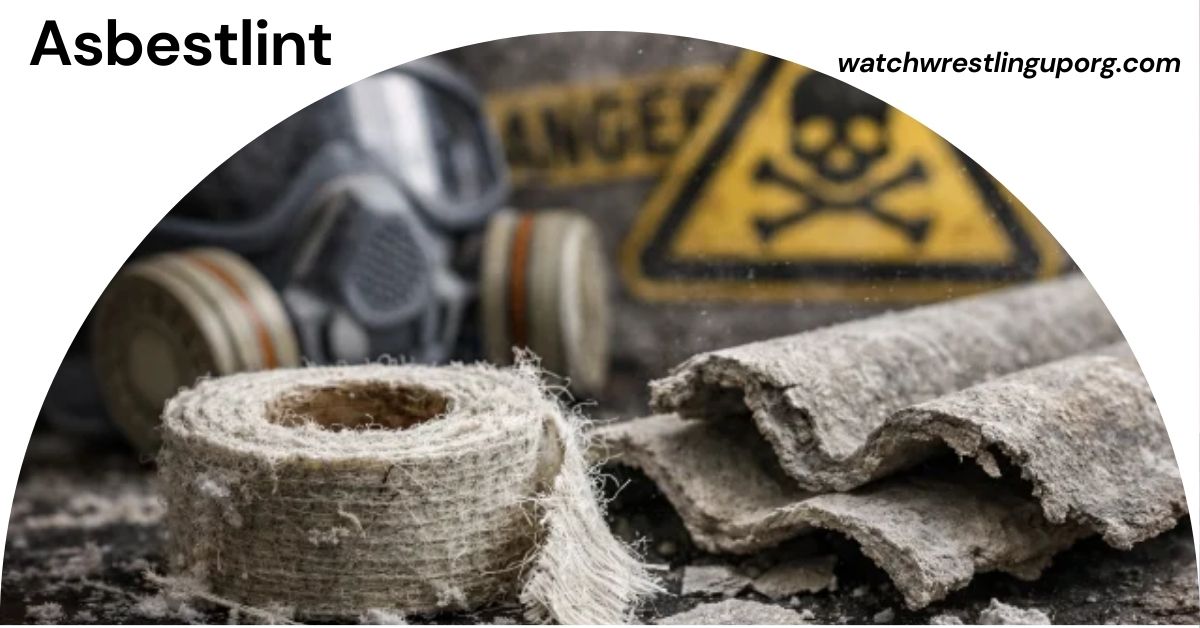
Asbestlint is a soft, fibrous material made from asbestos fibers mixed with other materials. It looks and feels like thick lint, cotton, or loose fluff. In the past, workers used asbestlint as insulation and fireproofing because it could resist heat, fire, and electricity.
The name comes from two parts. The word asbestos refers to a group of natural minerals that form long, thin fibers. The word lint refers to the fluffy texture of the material. So asbestlint simply means fluffy asbestos material.
Asbestlint was not usually sold to homeowners directly. Instead, it was used by builders, contractors, and factories. It was often packed into walls, ceilings, pipes, boilers, attics, and machinery.
For many years, people thought asbestlint was a miracle material. Today, we know it is dangerous when disturbed.
The History of Asbestlint in American Buildings
Asbestlint became popular in the United States during the early and mid-1900s. This was a time when cities were growing fast, factories were expanding, and people wanted buildings that were safer from fire.
Asbestos was already known for its ability to resist heat. When manufacturers processed it into a soft, loose form like lint, it became easy to install in hard-to-reach spaces. Workers could simply stuff or blow asbestlint into cavities and around pipes.
From the 1920s to the 1970s, asbestlint was used in:
- Homes
- Schools
- Hospitals
- Shipyards
- Factories
- Office buildings
- Military facilities
It was especially common in older industrial buildings and large heating systems. During this period, there were few rules about worker safety or long-term health effects.
By the late 1970s and 1980s, medical research clearly showed that asbestos fibers, including those in asbestlint, caused serious diseases. This led to strict regulations and the gradual removal or sealing of asbestos materials.
Why Asbestlint Was Considered a “Wonder Material”
To understand why asbestlint was used so much, it helps to know what made it attractive to builders.
Asbestlint had several qualities that made it seem perfect at the time:
- It did not burn
- It resisted very high temperatures
- It did not conduct electricity
- It did not rot or decay
- It was cheap and easy to produce
- It was easy to install in tight spaces
- It provided excellent insulation
In old buildings, fires were a serious concern. Electrical systems were less safe, heating systems were powerful, and materials like wood and fabric were common. Asbestlint helped reduce the risk of fire spreading.
Unfortunately, no one fully understood that the same fibers that made asbestlint strong and heat-resistant could also enter the lungs and stay there forever.
Also Read: BCN Play: The Complete Guide
Where Asbestlint Was Commonly Used
Asbestlint was rarely visible after installation. It was hidden inside structures. This is why many people today do not know it may still be in older buildings.
You may find asbestlint in:
- Attic insulation
- Wall cavities
- Around hot water pipes
- Around steam pipes
- Inside boiler rooms
- Around furnaces
- In old ceiling spaces
- In industrial machinery insulation
- Behind old plaster walls
- Under old flooring near heating lines
In some cases, asbestlint was also mixed into other insulation materials. This makes it even harder to recognize without testing.
Why Asbestlint Is Dangerous Today
Asbestlint becomes dangerous when it is disturbed. When left sealed inside walls and undamaged, it may not release fibers into the air. But when someone drills, cuts, renovates, or removes materials, tiny asbestos fibers can become airborne.
These fibers are invisible to the eye. You cannot smell them. You cannot taste them. But when you breathe them in, they can stay in your lungs for decades.
This is why asbestlint is still a serious concern during:
- Home renovations
- Demolition work
- Attic cleanouts
- HVAC replacements
- Pipe repairs
- Old building remodels
Many people are exposed without knowing it because asbestlint looks like harmless old insulation.
Health Risks Linked to Asbestlint Exposure
Breathing in asbestos fibers from asbestlint can lead to serious diseases. These diseases often appear many years after exposure.
The main health risks include:
Asbestosis
This is a lung disease where scar tissue forms in the lungs. It makes breathing difficult and gets worse over time.
Lung cancer
People exposed to asbestos have a higher risk of lung cancer, especially if they also smoke.
Mesothelioma
This is a rare but aggressive cancer that affects the lining of the lungs or abdomen. It is strongly linked to asbestos exposure.
Pleural disease
This affects the lining around the lungs and can cause pain and breathing problems.
These conditions may not appear for 20 to 40 years after exposure. That is why awareness of asbestlint is still very important today.
How to Recognize Possible Asbestlint in Your Property
You cannot confirm asbestlint just by looking at it. However, there are warning signs that increase the chances it may be present.
You should be cautious if:
- Your building was built before 1980
- You see fluffy, gray or white fibrous material in walls or attics
- There is old pipe wrapping that looks soft and lint-like
- You find loose insulation around boilers or furnaces
- The insulation looks very old and dusty
- You are working in an old industrial or school building
Never touch, sweep, or vacuum suspected asbestlint. This can release fibers into the air.
Also Read: Kibard: The Modern Typing Concept Redefining Comfort, Design, and Productivity
Why DIY Removal of Asbestlint Is Extremely Risky
Many homeowners think they can remove old insulation themselves. This is very dangerous when asbestlint is involved.
DIY removal can:
- Release thousands of fibers into the air
- Spread contamination to other rooms
- Put your family at risk
- Make cleanup very expensive
- Violate local and federal regulations
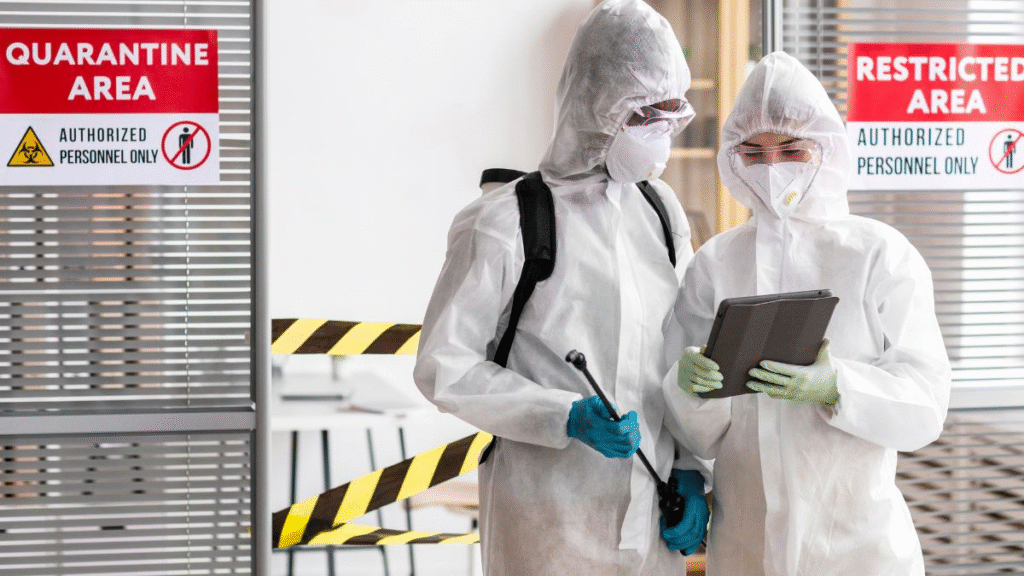
Asbestlint removal should only be done by licensed asbestos abatement professionals who use special protective equipment, air filters, and disposal methods.
Modern Laws and Regulations About Asbestlint in the US
Today, asbestos use is heavily restricted in the United States. Several government agencies regulate how asbestos materials, including asbestlint, must be handled.
These include:
- Environmental protection rules for air quality
- Workplace safety rules for workers
- State laws for asbestos removal
- Building codes for renovations
- Disposal rules for hazardous waste
If asbestlint is found in a building, it must be handled according to strict procedures. Improper handling can lead to heavy fines and legal problems.
What Has Replaced Asbestlint in Modern Buildings
Safer materials now provide the same benefits without the health risks. These include:
- Fiberglass insulation
- Mineral wool insulation
- Cellulose insulation
- Foam board insulation
- Spray foam insulation
These materials are fire-resistant, effective, and safe when installed correctly. They have replaced asbestlint in all modern construction.
The Process Professionals Use to Remove Asbestlint
When experts remove asbestlint, they follow careful steps:
- Seal the work area
- Use negative air pressure machines
- Wear full protective suits and respirators
- Wet the material to prevent dust
- Carefully bag the material in special containers
- Clean the area with HEPA vacuums
- Test the air after removal
- Dispose of waste at approved facilities
This process protects both workers and building occupants.
Why Asbestlint Still Matters in 2026
Even though asbestlint is no longer used, millions of older buildings in the US may still contain it. As more people renovate old homes and buildings, accidental exposure becomes more likely.
Awareness is the first step to prevention. Knowing what asbestlint is can protect you, your family, and workers.
Signs You Should Call an Asbestos Professional
Call a professional if:
- You plan to renovate a pre-1980 building
- You discover unknown fluffy insulation
- You are removing old pipes or boilers
- You are cleaning an old attic with loose material
- You are buying an older property and want testing
Testing is affordable compared to the health risks of ignoring asbestlint.
Common Myths About Asbestlint
Many people believe myths that can lead to dangerous mistakes.
Myth: If it looks old, it is safe
Reality: Old insulation may be asbestlint and very dangerous
Myth: You can tell asbestos by smell
Reality: Asbestlint has no smell
Myth: Only factories had asbestos
Reality: Many homes and schools used asbestlint
Myth: Small exposure is harmless
Reality: Even small exposure can lead to disease years later
How Property Buyers and Sellers Should Handle Asbestlint
If you are buying or selling an older home, testing for asbestos materials including asbestlint is a smart move. It builds trust and prevents legal issues later.
Professional inspection reports can clearly show whether asbestlint is present and what steps are needed.
Insurance, Liability, and Asbestlint
Improper handling of asbestlint can create liability for property owners and contractors. Insurance companies may refuse claims if asbestos rules are ignored.
Hiring licensed professionals protects you legally and financially.
Environmental Impact of Asbestlint
Asbestlint is not only a human health issue. Improper disposal can contaminate soil and air. This is why strict disposal rules exist. Approved landfills handle asbestos waste in a way that prevents fibers from escaping.
Also Raed: Cevurı: The Ancient Anatolian Dish That Still Feeds Families Today
The Future of Asbestos Awareness in the US
Education about materials like asbestlint is improving. More inspectors, contractors, and homeowners are learning to recognize risks before starting projects.
Technology for testing and safe removal is also improving, making it easier to deal with old asbestos materials safely.
Practical Safety Tips If You Suspect Asbestlint
- Do not touch it
- Do not sweep or vacuum it
- Do not drill or cut nearby
- Close off the area
- Call a professional for testing
Simple caution can prevent serious exposure.
FAQs About Asbestlint
What color is asbestlint usually?
It is often white, gray, or off-white and looks fluffy like cotton or lint
Can asbestlint be behind drywall?
Yes, it was often stuffed into wall cavities before drywall or plaster was installed
Is asbestlint the same as asbestos insulation?
Asbestlint is a loose, fluffy form of asbestos insulation
Can air filters remove asbestos fibers?
Normal filters cannot. Only HEPA filters used by professionals can trap these fibers
How much does testing for asbestlint cost?
Testing is usually affordable and far cheaper than cleanup after contamination
Is it safe to live in a house with asbestlint?
It can be safe if the material is sealed and undisturbed, but testing is recommended
Can pets be affected by asbestlint exposure?
Yes, pets can breathe in fibers just like humans
Does homeowners insurance cover asbestlint removal?
It depends on the policy. Many policies require professional handling
Can asbestlint be painted over to make it safe?
Painting is not a safe solution. Proper sealing or removal is needed
How long does asbestlint removal take?
It depends on the size of the area, but professionals can often complete it in a few days
Final Thoughts on Asbestlint
Asbestlint is a hidden part of American building history. It was once trusted to protect people from fire and heat. Today, we know it can cause serious harm if disturbed.
Understanding asbestlint helps you make safe choices during renovations, property purchases, and repairs. With professional testing, proper handling, and modern insulation materials, the risks connected to asbestlint can be fully managed.
Knowledge is your best protection.