The term diag image is closely related to diagnostic imaging, a critical part of modern healthcare. A diag image refers to a medical image created through specialized technologies that help doctors see inside the human body without surgery. These images allow healthcare professionals to detect diseases, monitor health conditions, and guide treatments.
Diagnostic imaging has transformed medicine over the past few decades. In the past, doctors had to rely mainly on physical exams and symptoms to understand what was happening inside the body. Today, diag image technologies make it possible to identify problems quickly and accurately. From broken bones to cancer detection, diag image systems provide the visual information doctors need to make informed medical decisions.
In the United States, diagnostic imaging is used millions of times each year in hospitals, clinics, and emergency departments. It helps doctors diagnose illnesses earlier, reduce risks, and improve patient outcomes.
This guide explains everything you need to know about diag image technology. You will learn what it means, how it works, the different types of imaging methods, the benefits and limitations, and how the technology is evolving in the future.
What Does Diag Image Mean in Healthcare
A diag image is a visual representation of the internal structures of the body created using medical imaging technology. These images can show bones, tissues, organs, blood vessels, and even cellular activity.
The main goal of diag image systems is to help doctors:
• Detect diseases
• Confirm diagnoses
• Monitor treatment progress
• Guide medical procedures
• Identify injuries
When a patient visits a doctor with symptoms, the doctor may order a diagnostic scan. The scan produces a diag image that provides clear information about what is happening inside the body.
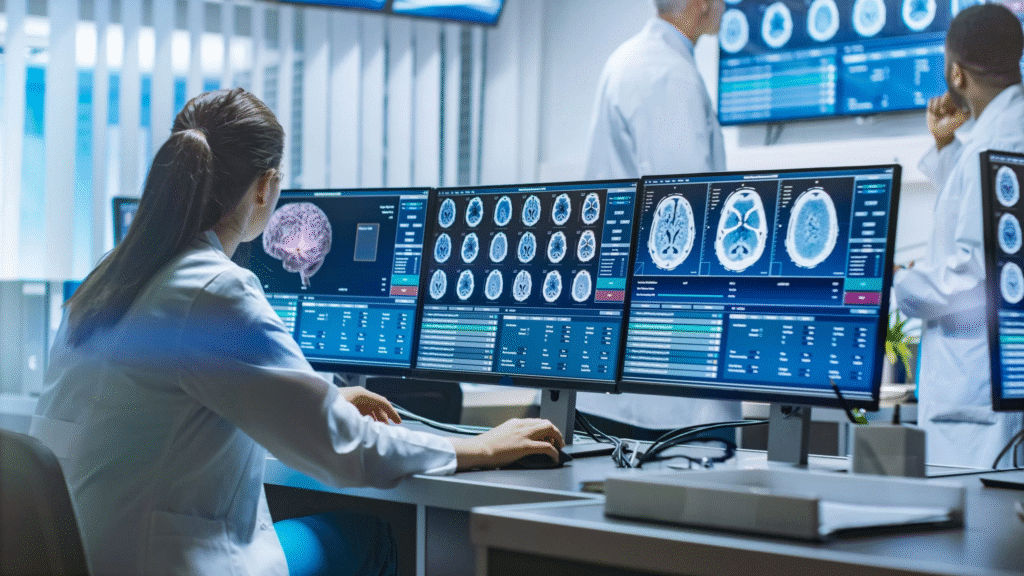
For example, if someone has chest pain, a diag image from a CT scan or X-ray may show whether the issue is related to the lungs, heart, or bones.
The Importance of Diag Image Technology in Modern Medicine
Modern healthcare depends heavily on diag image technologies. Without them, diagnosing many diseases would be slower and less accurate.
Here are several reasons why diag image systems are so important:
Early Disease Detection
Many serious diseases show very few symptoms in the early stages. A diag image can reveal problems long before symptoms become severe. This is especially important for conditions such as cancer, heart disease, and internal bleeding.
Non-Invasive Diagnosis
Before imaging technology existed, doctors often needed surgery to examine internal organs. Today, a simple scan can produce a clear diag image without cutting into the body.
Accurate Treatment Planning
Doctors use diag image results to design treatment plans. Surgeons rely on imaging before operations to understand exactly where a problem exists.
Monitoring Patient Progress
Diag image tools allow doctors to monitor how a disease changes over time. They can compare images from different dates to see whether treatments are working.
Also Read: CJMonsoon: A Deep, Human-Centered Guide to Building Sustainable Online Communities
Main Types of Diag Image Technologies
There are several imaging methods used to produce a diag image. Each method uses a different technology and is designed for specific medical situations.
X-Ray Imaging
X-ray imaging is one of the oldest and most common types of diag image technology. It uses small amounts of radiation to create images of the inside of the body.
X-rays are especially useful for viewing bones and detecting fractures. Doctors often use them to diagnose broken bones, lung infections, dental problems, and arthritis.
Computed Tomography (CT Scan)
A CT scan creates a detailed diag image by combining multiple X-ray images taken from different angles. A computer processes these images to produce cross-sectional views of the body.
CT scans provide much more detail than standard X-rays. They are commonly used to detect tumors, internal bleeding, and organ damage.
Magnetic Resonance Imaging (MRI)
MRI technology produces a diag image using powerful magnets and radio waves. Unlike X-rays and CT scans, MRI does not use radiation.
MRI scans provide highly detailed images of soft tissues such as the brain, muscles, ligaments, and spinal cord. Doctors often use MRI to diagnose neurological conditions and joint injuries.
Ultrasound Imaging
Ultrasound uses high-frequency sound waves to create a diag image. The sound waves bounce off internal structures, and a computer converts the signals into images.
Ultrasound is widely used during pregnancy to monitor fetal development. It is also used to examine organs such as the heart, liver, and kidneys.
Nuclear Medicine Imaging
Nuclear medicine creates a diag image by using small amounts of radioactive material. The material travels through the body and emits signals that imaging devices detect.
This type of imaging is particularly useful for evaluating organ function and detecting diseases such as cancer and heart conditions.
PET Scan Imaging
A PET scan produces a diag image that shows metabolic activity inside the body. It is often used to detect cancer and study how organs function.
PET scans are sometimes combined with CT scans to provide both structural and functional imaging.
How Diag Image Systems Work
Although each imaging method is different, most diag image systems follow a similar process.
First, a scanning device captures data from the body using radiation, sound waves, magnetic fields, or radioactive tracers.
Next, the system converts the captured signals into digital information.
Then advanced computer software processes the data to create a clear visual diag image.
Finally, a radiologist reviews the images and prepares a report for the patient’s doctor.
The doctor uses this information to diagnose the condition and recommend treatment.
Components of a Diag Imaging System
A complete diag image system includes several key components.
Imaging Equipment
This includes scanners such as CT machines, MRI machines, ultrasound devices, and X-ray systems.
Image Processing Software
Specialized software processes raw imaging data and converts it into clear diagnostic images.
Data Storage Systems
Medical images are stored in digital systems so doctors can access them anytime. These systems are often part of hospital information networks.
Also Read: Milyom: The Complete Guide to a Modern Holistic Wellness Practice
Viewing Workstations
Radiologists and doctors use high-resolution monitors to examine each diag image carefully.
Diag Image Applications in Healthcare
Diag image technology is used in nearly every area of medicine.
Emergency Medicine
In emergency rooms, doctors rely on diag image scans to quickly identify injuries, internal bleeding, and fractures.
Oncology
Cancer diagnosis often begins with a diag image that reveals abnormal growths. Imaging also helps doctors track how tumors respond to treatment.
Cardiology
Cardiac imaging produces diag image results that show heart structure, blood flow, and potential blockages.
Neurology
Brain imaging provides detailed diag image views of the brain and nervous system. Doctors use these images to diagnose strokes, tumors, and neurological disorders.
Orthopedics
Bone injuries and joint conditions are commonly diagnosed through diag image technologies such as X-rays and MRIs.
Benefits of Using Diag Image Technology
Diag image systems provide many advantages for both doctors and patients.
Faster Diagnosis
Doctors can identify medical conditions much more quickly with imaging.
Greater Accuracy
Detailed diag image scans help reduce diagnostic errors.
Safer Medical Procedures
Imaging technologies guide surgeons during complex procedures.
Better Patient Monitoring
Doctors can compare multiple diag image results to evaluate treatment progress.
Reduced Need for Surgery
Many conditions can be diagnosed without invasive procedures.
Risks and Limitations of Diag Image Systems
Although diag image technologies are very useful, they also have some limitations.
Radiation Exposure
Some imaging methods use radiation. Repeated exposure may carry small risks, although modern machines minimize radiation levels.
Cost of Imaging
Advanced scans such as MRI and PET imaging can be expensive.
Limited Availability
Some rural or small medical facilities may not have advanced diag image systems.
Interpretation Errors
Even the best images require expert interpretation by trained radiologists.
Role of Artificial Intelligence in Diag Image Technology
Artificial intelligence is becoming an important part of diag image systems.
AI algorithms can analyze thousands of medical images and identify patterns that may be difficult for humans to detect. This technology helps radiologists detect diseases faster and more accurately.
For example, AI tools can highlight suspicious areas in a diag image that may indicate early cancer.
AI can also automate tasks such as measuring tumors and comparing historical images.
Diag Image Storage and Data Management
Medical imaging generates large amounts of data. Hospitals use specialized systems to manage these images.
One of the most common systems is PACS, which stands for Picture Archiving and Communication System.
PACS allows doctors to store, retrieve, and share diag image files digitally. This eliminates the need for physical film and allows doctors in different locations to review images quickly.
Cloud technology is also becoming popular for storing medical imaging data.
The Future of Diag Image Technology
The future of diag image technology is very exciting. Several innovations are expected to improve imaging capabilities.
AI-Assisted Diagnostics
Artificial intelligence will continue to improve diag image analysis, helping doctors detect diseases earlier.
Portable Imaging Devices
New portable imaging tools allow doctors to capture diag image scans outside hospitals, including in ambulances or remote areas.
3D and 4D Imaging
Advanced imaging technologies can create three-dimensional and even real-time moving images of internal structures.
Personalized Medicine
Diag image technologies will help doctors design treatments tailored to each patient’s unique biology.
How Patients Should Prepare for a Diagnostic Imaging Exam
Preparation for a diag image scan depends on the type of imaging.
Patients may be asked to avoid eating or drinking before certain scans. They may also need to remove metal objects before MRI exams.
Doctors usually explain the procedure in advance so patients understand what to expect.
Most imaging tests are painless and take between 10 and 60 minutes.
Also Read: Tumbons: Meaning, History, Culture, and Local Governance in Thailand
Choosing the Right Diag Imaging Provider
When selecting a diagnostic imaging center, patients should consider several factors.
Accreditation and certification ensure the facility follows quality standards.
Experienced radiologists are essential for accurate diag image interpretation.
Modern equipment often produces clearer images and faster results.
Patients should also check whether the imaging center works with their insurance provider.
How Diag Image Technology Improves Public Health
Diag image technology plays a major role in improving public health in the United States.
Screening programs for breast cancer, lung cancer, and heart disease rely heavily on diagnostic imaging.
By detecting diseases early, these programs save thousands of lives every year.
Medical imaging also supports research and helps scientists better understand how diseases develop.
Ethical and Privacy Considerations in Medical Imaging
Medical imaging involves sensitive patient data. Healthcare providers must follow strict privacy regulations when storing and sharing diag image records.
In the United States, healthcare organizations follow HIPAA regulations to protect patient information.
Hospitals also use encryption and secure networks to prevent unauthorized access to imaging data.
Conclusion
Diag image technology is one of the most important innovations in modern healthcare. It allows doctors to see inside the body, diagnose diseases early, and guide treatments with greater precision.
From simple X-rays to advanced AI-powered imaging systems, diag image tools continue to improve the way medicine is practiced.
As technology advances, diagnostic imaging will become even faster, safer, and more accurate. This progress will help doctors deliver better care and improve health outcomes for millions of patients.
Understanding how diag image systems work empowers patients to make informed decisions about their healthcare and appreciate the vital role imaging plays in modern medicine.
FAQs About Diag Image
What is a diag image in medical terms?
A diag image is a medical image created through diagnostic imaging technologies such as X-rays, MRI scans, CT scans, or ultrasound. Doctors use these images to diagnose diseases and monitor health conditions.
Is a diag image the same as diagnostic imaging?
A diag image is the final visual result produced by diagnostic imaging technologies. Diagnostic imaging refers to the entire process of capturing and analyzing medical images.
Are diag image scans safe?
Most diag image scans are very safe. Some imaging methods use radiation, but modern machines use very low levels to reduce risk.
How long does it take to receive diag image results?
In many cases, results are available within a few hours or days. Emergency imaging results may be available within minutes.
Can diag image technology detect cancer early?
Yes. Many cancers can be detected early through imaging methods such as CT scans, MRI, mammography, and PET scans.
Do all hospitals offer diag image services?
Most hospitals offer basic imaging services such as X-rays and ultrasound. However, advanced imaging technologies like PET scans may only be available in larger medical centers.
What should I do before a diag image test?
Patients should follow their doctor’s instructions. This may include fasting before certain scans or removing metal objects before MRI exams.
Can artificial intelligence read a diag image?
AI can assist radiologists by analyzing images and identifying potential problems, but human doctors still review the results and make the final diagnosis.
Are diag image scans covered by insurance in the US?
Most insurance plans cover medically necessary diagnostic imaging tests, although patients may still need to pay deductibles or copayments.
About the Author