Sewing is not only about joining two pieces of fabric. It is about strength, comfort, and appearance. One small decision, like choosing the correct seam, can change the whole result of your project. This is where the concept of nahttypen becomes important. Nahttypen means different types of seams used in sewing. Each seam type has a special purpose and works best with specific fabrics. Understanding nahttypen helps beginners and experienced sewists create better and longer-lasting garments.
What Does Nahttypen Mean in Sewing
Nahttypen is a German word that translates to seam types. In sewing, it refers to the different ways fabric pieces are stitched together. Each seam type has its own structure, strength level, and visual look. Some seams are simple and hidden, while others are strong and decorative. Knowing nahttypen helps you choose the best seam for your fabric and project type. This knowledge improves both quality and comfort in finished clothing.
Why Nahttypen Are Important
Choosing the wrong seam can cause fabric damage, discomfort, or poor appearance. Some fabrics stretch, while others do not. Some garments need strong seams, while others need soft and light seams. Nahttypen help solve these problems by offering the right stitching method for every situation. When the correct seam is used, clothes fit better, last longer, and look more professional.
Basic Types of Nahttypen Used in Sewing
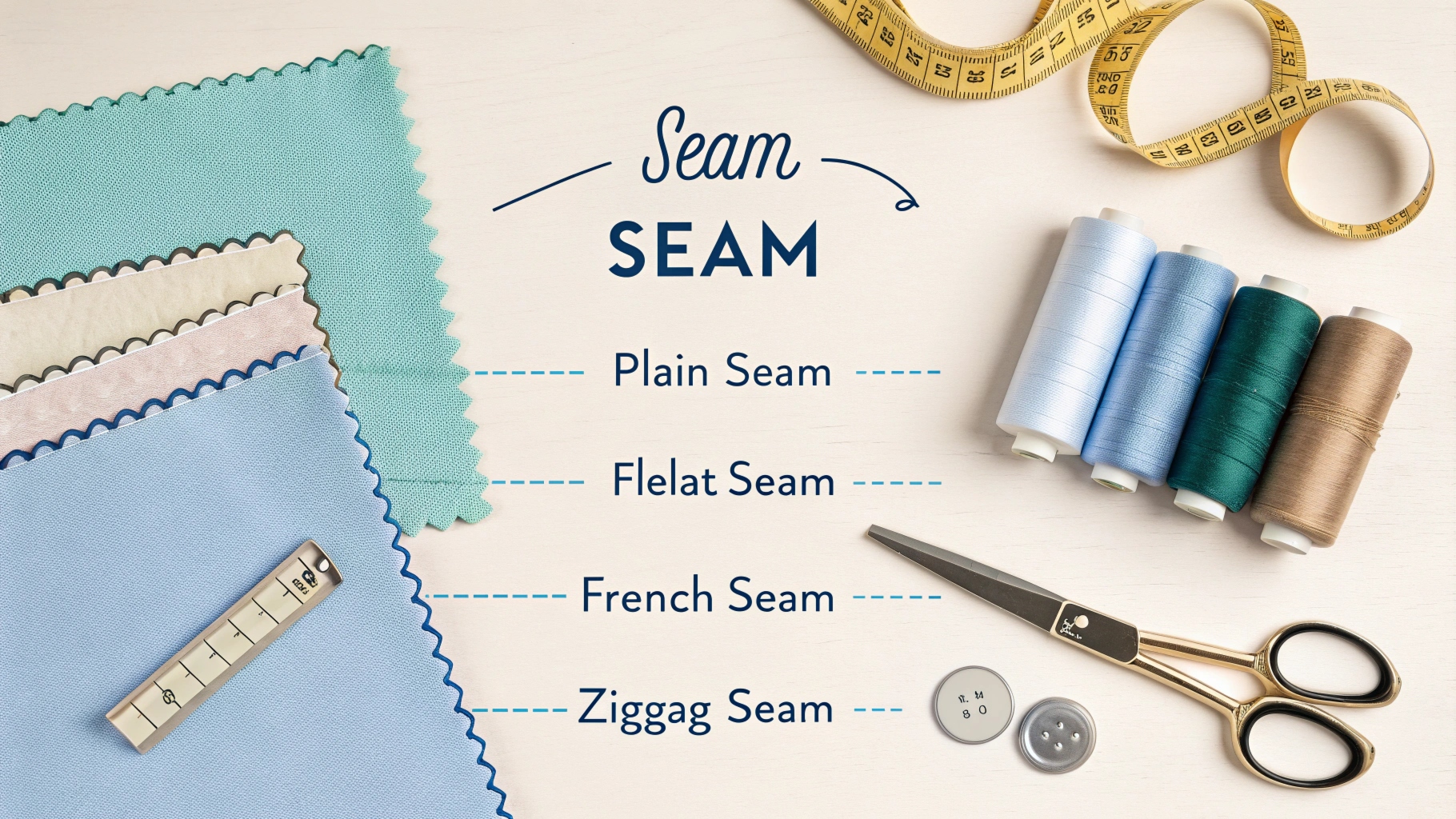
Plain Seam
The plain seam is the most common seam type. It is simple and easy to sew. This seam joins two fabric pieces with straight stitching. It is widely used in shirts, dresses, and basic garments. The plain seam works best with light to medium-weight fabrics. It is easy to adjust and suitable for beginners.
French Seam
A French seam hides raw fabric edges inside the seam. This makes the garment look clean from both inside and outside. It is ideal for delicate and thin fabrics like silk, chiffon, and organza. French seams are often used in luxury clothing and soft blouses. They prevent fraying and add elegance to the garment.
Flat-Felled Seam
A flat-felled seam is very strong and durable. It is commonly used in jeans, workwear, and shirts. This seam lies flat and has no loose edges. It can handle heavy stress and frequent washing. Flat-felled seams are perfect for thick fabrics like denim and cotton twill.
Zigzag Seam
A zigzag seam is flexible and allows fabric to stretch. It is mainly used for knit and stretch fabrics. This seam prevents fabric from breaking when stretched. Zigzag seams also help stop fabric edges from fraying. They are useful for sportswear and casual clothing.
Overlocked Seam
An overlocked seam is made using a serger machine. It trims and finishes fabric edges at the same time. This seam gives a professional look and is widely used in factory-made garments. Overlocked seams are great for knit fabrics and fast production sewing.
Choosing the Right Nahttypen for Different Fabrics
Lightweight Fabrics
Lightweight fabrics like silk and chiffon need soft and neat seams. French seams and narrow plain seams work best for these materials. Heavy seams can damage thin fabrics and affect their flow.
Medium-Weight Fabrics
Cotton, linen, and polyester blends fall into this category. Plain seams, zigzag seams, and overlocked seams are suitable choices. These fabrics are easy to handle and work well with standard sewing techniques.
Heavy Fabrics
Denim, canvas, and wool require strong seams. Flat-felled seams and reinforced plain seams are ideal. These seams provide durability and prevent tearing under pressure.
Factors to Consider When Selecting Nahttypen
Fabric type is the first thing to consider. Stretch, thickness, and texture affect seam choice. Garment purpose is also important. Everyday wear needs strong seams, while formal wear needs clean finishes. Comfort matters, especially for clothes worn close to the skin. Sewing skill level should also be considered because some seams are more complex than others.
Common Mistakes When Using Seam Types
Many beginners choose seams without testing them on fabric scraps. This can lead to puckering or fabric damage. Using the wrong needle and thread is another common mistake. Ignoring seam allowance can also affect fit and strength. Always test your seam choice before sewing the final garment.
Tips for Sewing Better Nahttypen
Always match your needle and thread to the fabric. Practice new seam types on scrap fabric first. Use proper seam allowances for accuracy. Press seams after sewing to improve appearance. Take your time when sewing complex seams for best results.
How Nahttypen Improve Garment Quality
Correct seam types make garments more comfortable and long-lasting. They help clothes keep their shape and resist wear. Good seams also improve the inside finish of garments, giving a professional look. Quality seams reduce the need for repairs and increase customer satisfaction in handmade clothing.
Nahttypen in Modern Fashion
Modern fashion uses a mix of traditional and advanced seam types. Designers choose seams based on fabric technology and design goals. Stretch seams are popular in activewear, while clean seams are preferred in luxury fashion. Understanding nahttypen allows designers to balance style and function.
FAQs About Nahttypen
What is the most common nahttypen in sewing
The plain seam is the most common seam type. It is simple, versatile, and suitable for many fabrics.
Which seam type is best for delicate fabrics
French seams are best for delicate fabrics because they hide raw edges and prevent fraying.
Are flat-felled seams only for denim
No, flat-felled seams can also be used for shirts and heavy cotton garments where strength is needed.
Can beginners use different nahttypen
Yes, beginners can start with plain seams and zigzag seams, then slowly learn advanced seam types.
Why do some seams break after washing
This happens when the wrong seam type or thread is used for the fabric. Choosing correct nahttypen prevents this issue.
Conclusion
Understanding nahttypen is essential for anyone interested in sewing. Seam types affect strength, comfort, and appearance of garments. Each fabric and project needs a specific seam for best results. By learning and practicing different nahttypen, you can improve your sewing skills and create high quality clothing. Choosing the right seam makes sewing easier, more enjoyable, and more professional.
About the Author